Realities of Getting Older: What No One Told Us

Remember when we thought growing older was all about retirement and finding the perfect pair of reading glasses? Well, it turns out there’s a bit more to it than that. Let me reflect on some of the surprising realities of aging that our younger selves may not have anticipated. Aging is a natural process that everyone goes through, but it can pose significant surprises. Let me share some of my observations.

Changing Life Perspectives

As we age, our perspectives can change. This concerns me, as I hope it does not see me starting to like country music I have avoided my entire life. But, coming back to the point, I was wanting to say that things that once seemed monumental now seem insignificant, and vice versa. It’s as if we’ve been given a pair of new spectacles or a new vantage point that allows us to see what truly matters in life. And let me tell you, it’s not the latest electric car or the size of our houses. It is actually all about relationships with family, friends, our faith community, our peers.

It is important for us to build into our lives a time to get perspective on this whole aging season. To stop, to study, to talk about getting older. Let’s be good mentors and pass along to those following behind us what we are experiencing as we age.

Physical Challenges

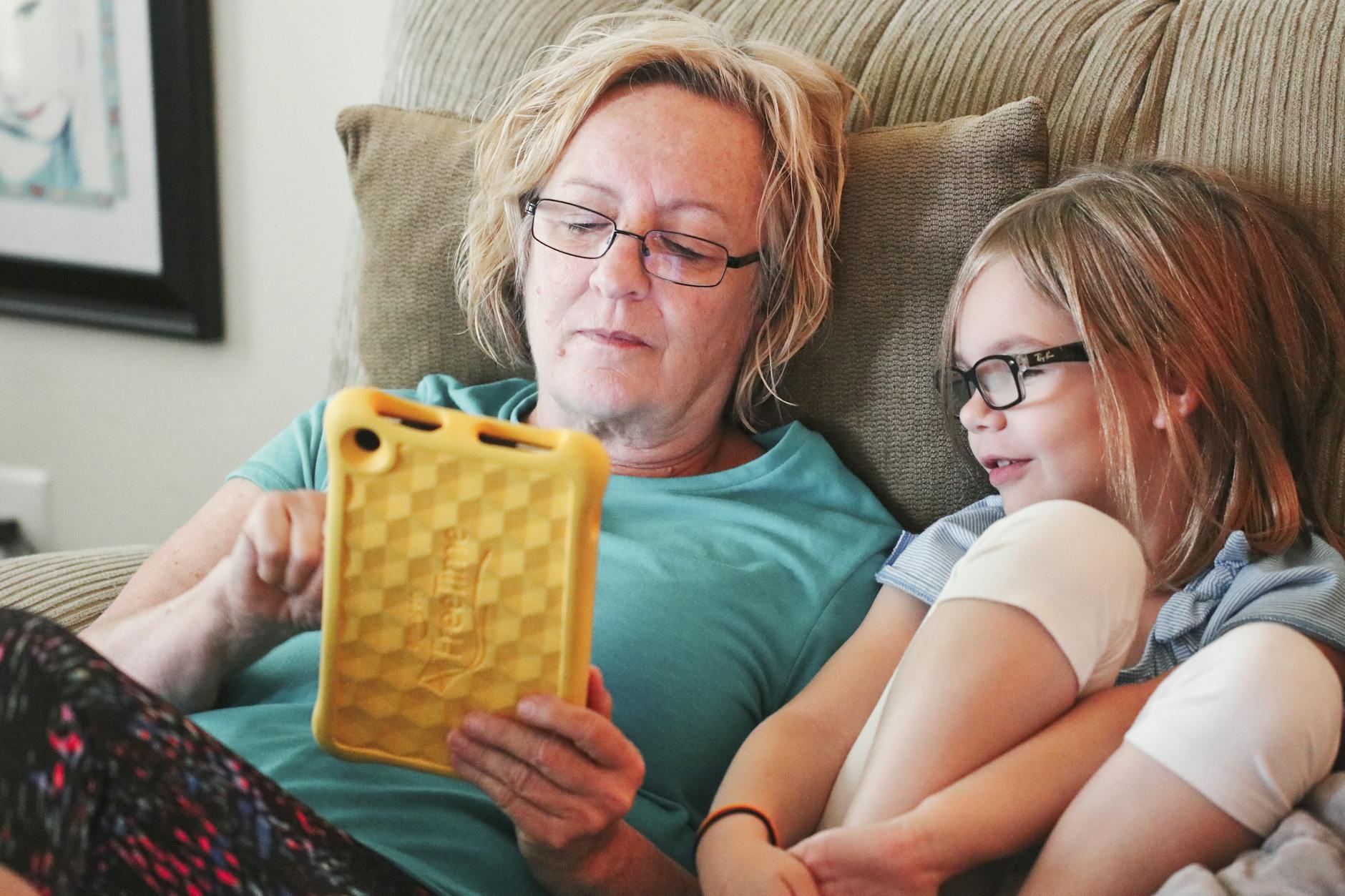
Photo by Pixabay on Pexels.com

Let’s face it: with age comes an assortment of physical challenges we never signed up for. The knees get sore, and the back isn’t as forgiving as it used to be; we can’t run fast – or perhaps can’t even run. We also end up taking medications we never even thought of when we were younger. I smile when out with my friend Bob, and our watch alarms go off at the same time, reminding us to take our pills. Our laughter over this allows us to at least keep a sense of humour about it all.

New Mental Wellness Battles

As we age, we often face significant life changes that can impact our mental health. These can include retirement, the death of loved ones, increased isolation, and physical health issues.

Retirement, for instance, can lead to a loss of identity and purpose, especially for those who found significant meaning in their careers. The death of friends and family members can bring on grief and loneliness, while physical health problems can cause stress and sometimes depression.

Furthermore, older adults may also experience cognitive decline, which can lead to confusion, frustration, and anxiety. In some cases, it can even result in dementia or Alzheimer’s disease.

Growing older can feel like stepping into unknown territory without a map. We grapple with questions that would’ve boggled our younger minds. Our older minds do not seem to work as quickly as they once did, and you notice changes in your memory or recall. There is much more mystery than we considered. But here’s a secret – it’s okay not to have all the answers. There’s a certain beauty in the mystery, and each question we ponder brings us a step closer to understanding God and ourselves better.

Existential Questions

With the passing of time, we become more aware of our mortality. We are all going to die. This awareness often leads us to ponder the bigger questions of life. What is our purpose? How do we want to be remembered? What will be said at our funeral? How shall we live our remaining days? While these questions may seem daunting, they also offer an opportunity to reflect on our lives and to remember there is still time to make meaningful changes.

Spiritual Insights

Our spirituality deepens and widens as we age. We may discover new insights from scripture we didn’t see before because they now resonate with our experience and life stage. Often, we are drawn to the solitude of familiar rituals of our faith, like quiet prayer and Bible reading. Embrace and savour these moments as they can serve as guideposts and guardrails on your aging journey, providing direction and inspiration every step of the way.

Growing older is an adventure filled with unexpected twists, turns and surprising revelations. The Baby Boomer demographics show there are so many of us out there in this particular stage of the journey. I refer to it as the third period of the hockey game, and if you are not into hockey, that means it is the last period of play with no promise of overtime. There is empirical evidence showing that those who think positively about aging often live longer, healthier lives. So, let’s do all that we can to embrace the surprises of aging with a cheerful heart and a hopeful spirit.

Better With Age

Barnabas Landing, Keats Island, BC

Remember that we’re not just growing older. We’re growing wiser, more compassionate, and more resilient. Each day is another opportunity to learn, to love, and to leave a mark on the world. So, let’s cherish each moment, each memory, and yes, even each pill! After all, we’re like fine wine, getting better with age.

This is why we named our April retreat for Baby Boomers “Better With Age.” Please consider coming to join Glenda and me at beautiful Barnabas Landing, where we can talk about these and other common themes of aging. It will be three nights in exquisite lodging, chef-prepared meals and a sense of community and laughter that will live on long after the retreat.

You will find all the details here at Barnabas Landing. Hope to see you there.

When Your Adult Children Move Away: Coping and Adjusting

As two of my adult children, Jon and Kirstie, packed up their lives and moved away with my youngest grandkids, I felt a profound sense of loss. The sound of laughter and pattering feet that filled our home just days ago now echoes in the distance. However, amid the sadness, I couldn’t help but marvel at the incredible adventure unfolding before them. Witnessing my children embrace new opportunities and navigate this chapter with faith in God evoked a mixture of pride and wistfulness within me.

Embracing Loss and Change:

When they first told us that they were going to move to Alberta, I was crushed. Then overnight, I realized that I had done the exact same thing to my parents – moving away with their grandchildren. I just had no idea how it felt. Jon and Kirstie sold their home and moved in with us for the last month and a half before their big move. Their presence during the Christmas season was truly a blessing. It was a joy to have them here, allowing us precious moments with the grandchildren. And once the little ones were tucked in bed, we cherished fireside conversations as adults. Now that they have left, the void seems greater and closer to home.

Despite the sadness that arises from their moving away, there is also some peace in knowing that love knows no bounds.

That’s from me but only after Glenda reminded me of this

At least today we have technology that can also help maintain a strong emotional connection, allowing for regular video calls, virtual story time, or even playing online games together. We can still create lasting memories and a sense of continuing closeness despite the physical separation. It made me sad to think how my parents only had a telephone landline when we moved away, and that was back when long-distance calls were very expensive.

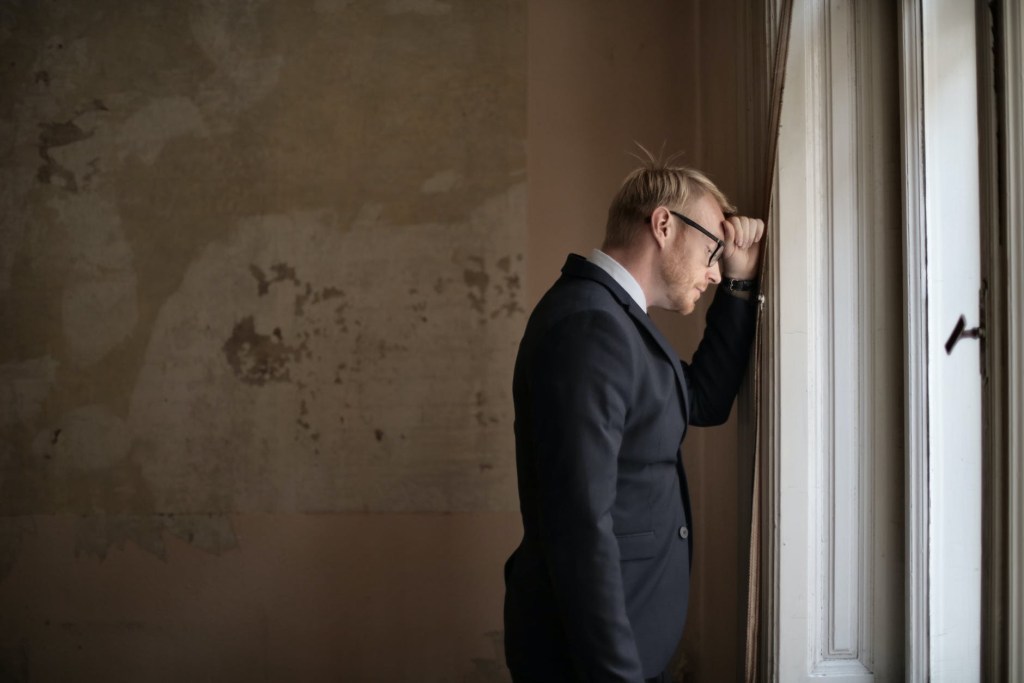
Photo by Cottonbro Studio on Pexels.com

Embracing change when your adult children move away can be a daunting and emotional experience. It’s natural to feel a sense of emptiness and loss, but it’s also an opportunity for growth and self-discovery. Instead of focusing on the void left behind, I am going to try to consider embracing this transition as a chance to strengthen relationships with family and loved ones who are still nearby. This change is not an end but a new chapter.

By writing this blog I am coaching myself. It has been cathartic and thanks for reading this far.

If I were sitting across the desk from me wearing a mentor hat, I would suggest, “Use this time to reflect on the relationship you’ve had together and celebrate the memories while looking forward to visiting them in their new home. Embrace this change with hope, fostering an attitude of gratitude for the shared experiences and excitement for the opportunities that lie ahead.

But wait! You’re taking the grandkids??

I told my son that I didn’t really care if they moved away, but they should not be allowed to take my grandchildren.

Me, only half-joking

Grandchildren moving away is an emotionally challenging experience, as the bond between grandparent and grandchild is often deep and cherished. Roland and I are like a dynamic duo, and Glenda and Brooklyn are joined at the hip most of the time. Faith in the strength of this connection can provide comfort during times of transition and change. It’s important to nurture that love through ongoing communication and intentional efforts to stay connected despite physical distance.

Despite the sadness that may arise from their moving away, it’s possible to find peace in knowing that love knows no bounds. Embracing new technology can also help maintain a strong emotional connection, allowing for regular video calls, virtual story time, or even online games together. The impact of such efforts can be profound, creating lasting memories and a sense of continuing closeness despite the physical separation.

As the moving day approached, Grandpa and Grandma found themselves grappling with a mix of emotions. Our hearts are brimming with love for our grandchildren Roland and Brooklyn, yet a heaviness settles in at the thought of being physically distanced. Yet, in moments of quiet reflection, I can hold on with faith to the unbreakable connection we have. While distance may alter the dynamics of our relationship with the grandchildren, it cannot diminish the depth of love that binds us together. Love knows no bounds. True relationships withstand any obstacle.

Family Dynamic

Their departure has marked a seismic shift in our family dynamic. For the last many years, we have all lived within ten minutes of each other. Jon, Kirstie, Jason and Kristin lived literally across the street from each other and just four minutes away from us. So as they embarked on a new chapter of their lives, the family rhythms of daily life were disrupted, leaving an undeniable void in our midst. Late-night dog walks with brothers, Fire Nights, borrowing needed food items, having the kids drop over, all family meals, playtime with the cousins, everything is different now.

I suspect some initial shaking of the ground underneath us all, but I believe we can expect a subtle undercurrent of hope to emerge. In their absence, we may also discover some untapped reservoirs of resilience and unity within ourselves, anchoring us as we navigate uncharted waters as a family.

Jeremy: “I have never not lived in the same city as my brother.”

Me: “Well, there was a time that you lived in Perth Australia and Jon lived in Belfast, Northern Ireland?”

Jeremy: “Well yeah okay, but that wasn’t for that long and we stayed in touch. I remember that there was a wierd hour when the time zones worked for us to talk on Skype.”

Recent Conversation with Jeremy

Jon and Kirstie’s departure marked a shift in our family dynamic, but it also opened doors to newfound connections and experiences. Perhaps this separation was necessary for both their personal growth and mine. As they ventured off following a calling for a unique ministry with youth and pursuing career opportunities in different surroundings, I found myself reflecting on my own capacity for adaptation and resilience. It is much easier to do this when you are younger. Despite the bittersweet emotions that come with seeing your loved ones depart, there’s an undeniable beauty in witnessing their journey unfold.

Amidst the echoes of their laughter still lingering in our hearts, we found solace in the unshakeable foundation of faith that has always bound us together. Their departure became a catalyst for introspection and growth, prompting us to reevaluate and redefine what it truly means to be a family. Through this transformative process, we unearthed a newfound appreciation for the precious moments shared and embraced with renewed fervour the potential for burgeoning connections with one another.

Just before Christmas, I went out with my daughters to the Hallmark Christmas Movie set. They film a lot of their Christmas movies here; in fact, many are filmed right in our neighbourhood. After wandering around enjoying the Christmas decorations, we went out for supper. While having supper, I asked Kirstie what she was thinking of doing in terms of staying in touch with Kristin and Shari. She responded succinctly, “I am going to be very intentional.”

“I am going to be very intentional.”

Kirstie

Staying in touch with family is crucial for maintaining strong and meaningful relationships. In today’s fast-paced world, it can be easy to get caught up in our busy lives and neglect this important aspect of our lives. However, it is important to remember that family is a source of love, support and comfort, and we must make an effort to stay connected with them.

So what can we do to stay in touch?

One practical suggestion for staying in touch with family is to schedule regular check-ins or catch-up sessions. This could be through video calls, phone calls, or even sending letters or emails. By setting aside specific times to connect with our loved ones, we are showing them that they are a priority in our lives.

Additionally, utilizing technology can also help bridge the distance between family members who may live far away. Social media platforms, messaging apps, and free video conferencing tools have made it easier than ever to stay connected with loved ones regardless of geographic location.

However, it is important to note that simply relying on technology is not enough. We must also make the effort to physically visit and spend quality time with our family members whenever possible. Glenda and I are already planning our first trip out to visit and see their new house. We have also been in the practice of planning a regular family vacation (Puecation).

Perhaps the bottom line is this: Staying in touch with family requires intentionality and effort. Let us not take these relationships for granted and make the effort to nurture them. By doing so, we will strengthen our bonds as family members and create lasting memories that will enrich our lives.

By setting aside specific times to connect with our loved ones, we are showing them that they are a priority in our lives.

Carson Pue

PS. April 8-11, 2024, Glenda and I are facilitating a retreat called “Better with Age” at the beautiful Barnabas Landing on Keats Island. As I have been writing this, I’ve thought that this could be a valuable topic for parents experiencing similar transitions. The retreat provides a forum for Baby Boomers to share experiences and practical advice, creating a supportive community. We could also talk about what we can do in preparation for our children leaving. What do you think?

https://barnabaslanding.com/retreats/betterwithage

Jon, Kirstie, Ro and Brooklyn, we are excited about your new adventure and how God is going to work through you and your relationships there. Each day that passes is another day closer to seeing you again, and that thought brings me comfort. And remember, we are only a text message away.

“Disappointment with Work” by Tim Stafford

Glenda and I are working with Barnabas Landing to host an annual retreat called “Better with Age.” As you can guess it’s being focussed on those of us over 55 years of age and facing the transition zone into the third period of life.

This has led us to read a great deal on the subject of aging and the issues that surface because of our getting older. These reflections by Tim I know will resonate with many.

Our next Better with Age retreat will be held April 8-11, 2024.

Navigating the Transition: A Pastor’s Guide to Embracing a New Church Year

As the summer days dwindle and the crispness of autumn fills the air, pastors of churches in the Northern Hemisphere find themselves at the cusp of a new beginning. The transition from summer to fall marks not just a change in weather but also the start of what we often refer to as the new “church year.” For pastors, this period can be filled with emotions and challenges as they navigate the shifting dynamics within their congregations and guide their teams and boards through the transition. As one who has been a pastor and developed the leadership skills of hundreds of pastors, I would like to share and explore the priorities pastoral leaders should focus on during this time, discuss some new patterns for sustainable ministry, and provide practical tips to help pastors find balance amidst the changing seasons.

Emotions and Challenges:

Seasonal transition periods can bring about a mix of emotions for pastors. The anticipation of what lies ahead, coupled with the weight of responsibility, can sometimes make even the most seasoned leaders feel a sense of apprehension. Leading a team through this period of change requires a delicate balance of empathy, vision, and communication. Pastors must be attuned to the emotions of their team and board members, providing reassurance and support while also setting clear vision and expectations for the new church year.

Priorities and Approaches:

During this seasonal phase, pastors must prioritize certain aspects to ensure a smooth and successful start to the new church year. Here are a few key areas that deserve special attention:

  1. Vision Casting: As the leader of the church community, pastors play a crucial role in setting the vision and direction for the upcoming year. This involves communicating overarching goals, themes, and strategies to the team and board members, inspiring them to embrace the vision as their own.
  2. Team Development: Building a solid and cohesive team is essential for any pastor. During this transition, pastors should intentionally invest time in nurturing relationships, identifying individual strengths, and aligning team members with their respective roles. This fosters a sense of unity and purpose, enabling the team to work harmoniously towards shared goals.
  3. Renewed Spiritual Focus: The start of a new church year provides an opportunity for pastors to reinvigorate their own spiritual journey and encourage their congregation to do the same. Pastors should prioritize personal spiritual practices, such as prayer and reflection, to ensure they are spiritually nourished and equipped to lead. I know many pastors who take a retreat time in October or November after getting the church up and running in September.

New Patterns for Sustainable Ministry:

Pastors must create a healthy work-life balance by developing sustainable habits. I was personally not great at this, and there is a price to be paid. Here are some practical tips for achieving this:

  1. Time Management: Pastors can benefit from implementing effective time management techniques, such as creating schedules, prioritizing tasks, and setting boundaries. This allows them to allocate time for both ministry responsibilities and personal rejuvenation.
  2. Delegation and Empowerment: Pastors should learn to delegate tasks and empower others within their teams. By entrusting responsibilities to capable individuals, pastors can reduce their workload and create opportunities for growth and development among team members.
  3. Self-Care: It is crucial for pastors to prioritize self-care to avoid burnout. This can include engaging in hobbies, seeking support from mentors or peers, and practicing self-care. By taking care of themselves, pastors can better serve their communities, but as my therapist says of pastors, “We have a hard time taking off the collar.”

Encouraging Motivation and Energizing the Team:

To ensure that the transition period remains positive and energizing for their team and board, pastoral leaders can implement the following practical strategies:

  1. Celebrating Achievements: Acknowledging and celebrating the successes of the previous year can boost morale and motivate team members to continue their hard work.
  2. Setting Short-Term Goals: Breaking down larger objectives into smaller, achievable goals helps maintain focus and provides a sense of accomplishment along the way.
  3. Cultivating Community: Creating spaces for fellowship, team-building activities, and open communication fosters a sense of belonging and camaraderie among the team and board members.

Photo by Oleg Prachuk on Pexels.com

Being at the Helm

Those of you who know me will appreciate my sailing reference and photos here.

Being at the helm is more than just a phrase; it represents taking charge and assuming a position of leadership. When someone is at the helm, they are in control and responsible for guiding the course of action. It signifies a person’s ability to make decisions, steer the ship, and navigate through challenges.

Just like a captain stands at the helm of a ship, leaders stand at the forefront, providing direction and inspiration to their teams. They possess the vision, knowledge, and skills necessary to guide others towards success. Being at the helm requires qualities such as confidence, decisiveness, and the ability to inspire trust and unity among team members.

Leadership is an ongoing journey that involves continuous learning, adaptability, and effective communication. Whether in a professional setting, a community organization, or even in one’s personal life, being at the helm means taking ownership of one’s actions and making choices that positively impact those around them.

Remember, leadership is not only about taking control but also about empowering others, fostering collaboration, and achieving collective goals. By stepping up and embracing the responsibility of being at the helm, men and women have the opportunity to make a lasting impact and bring about positive change.

So, as summer fades and a new church year begins, pastors find themselves at the helm of change. By prioritizing vision casting, team development, and spiritual focus, pastors can navigate this transition with confidence and grace. Through new patterns for sustainable ministry, pastors can find a balance between their work and personal lives. By encouraging motivation and energizing their teams, pastors create a supportive environment for growth and renewal. Embrace this change of seasons as an opportunity to recommit to your calling and make a lasting impact on your community. May this new church year bring blessings, growth, and transformation to pastors and their congregations alike.

Now, let’s plan a time to get outside and enjoy some of the crisp morning air of Fall.

Waking up in Africa

Waking up in Rwanda is an amazing experience. You are surrounded by the sounds of roosters, unknown birds and the beautiful sunrise peeking through the horizon. After a long day of travel, you can feel the energy and expectancy that comes with the anticipation of meeting with leaders here.

I cannot count off hand how many times I have been to this country, but was commenting to my friend Phocas last night about how each time I come there are visible signs of improvement. Last night it was noticeable at the airport and the changes there. The experience going through customs has been streamlined and more “friendly” than in the past. It is Glenda’s first time in Africa and I look forward to seeing it through her eyes this trip.

We are here on a Vision Trip, bringing friends to see the work that we have been doing with leader development here through a charity I was part of helping to launch called Kurumbuka. Our unique focus is our concentration on developing African leaders – who develop other African leaders thereby multiplying the impact in their organizations and in the country. Take a look at our website to get a more complete idea of how unique our work is here.

Coffee is one of life’s simple pleasures, and it’s essential for us after such a long day of travel. Glenda and I are sipping ours now (after waking a wee but too early because of the time change). The rooster is our friend as we take in the beauty and the culture here.

As you start your morning cup of coffee, take some time to appreciate where you are – it truly is something special. Soak in every moment; allow your setting to stay etched in your memory and be grateful!

Pastors

I was in church this past Sunday. I say it like that because I am often unable to be in my home church due to my ministry, where I am speaking somewhere else on Sundays. But today, we were back with our congregation, and it felt so good.

February is missions month at our church, where we get reports from around the world where we are involved. This month we are seeking to raise $250 thousand to support ministries beyond our walls. As I watched and listened to our lead pastor, he shared about the work we are involved with in India. My mind wandered a bit as I thought of how that church in India is also meeting today. Around the world today, and each week, pastors are speaking at 37 million churches.

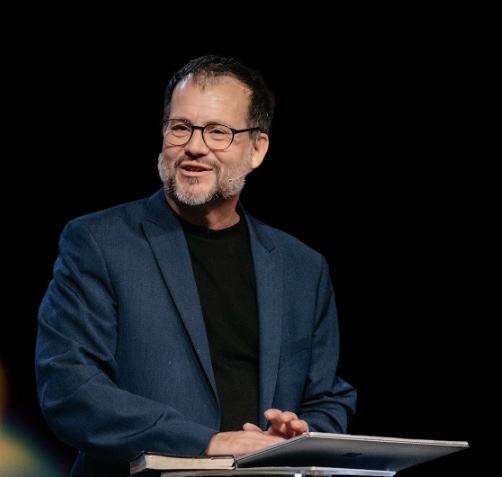
Pastor Derrick Hamre, CLA Langley

When people think about pastors, often the picture of a quiet and reserved person comes to mind. But what many don’t realize is that pastors work tirelessly behind the scenes preparing sermons and messages every week. Millions of pastors – men and women – stand in front of their congregations each Sunday, providing words of hope, help, healing, inspiration, and life-changing messages from the Bible.

Just imagine – pastors have to keep up with current events and use them as examples for their messages; they research sound theological insights, all while finding time to practice before presenting these sermons, attending meetings, visiting and leading teams! It’s no wonder pastors can become exhausted after preaching week after week.

As churchgoers, we should be more mindful and thankful for pastors who dedicate their lives to sharing the gospel. Speaking in front of a large crowd is just as terrifying as rewarding. Let’s take the time to thank pastors for giving us hope and inspiring us week after week! They deserve our deep appreciation and respect for all the hard work they put into each sermon.

Delivering the sermon is not the goal each Sunday. “Only half of the pastor’s work is to gather the people together for worship. The other half is to send them back to their daily tasks equipped to be the salt of the earth and the light of the world. If we forget this second part, the other can be positively dangerous.” – Leslie Newbigin

Let’s show pastors some much-needed love and gratitude by taking a moment out of our day to say “thank you”. After all, pastors are essential in keeping up the spiritual momentum that leads us closer to God – which really is lifegiving! You may be at a church with more than one pastor in which case we should also reach out to the entire team with appreciation. A small word, or note of encouragement goes a long way.

So next time you hear a pastor speak at church, remember how incredible they are and offer a prayer of thanks to God for them.

Thank you, pastors, for all that you do – may God bless you.

Happy Implantversary to me! 🎉🤩❤️

Today marks one year since I got my Imbedded Cardiac Defibrillator (ICD) surgically implanted in my chest. It might sound scary, and it was – but in hindsight, I am so grateful!

An Imbedded Cardiac Defibrillator (ICD) is the size of a large men’s watch. My particular model also has a pacemaker function that can be turned on if needed. Like a wee guardian angel for your heart it’s always watching out for any sudden, life-threatening problems with your heart rhythm and can shock it back to normal if needed.

For a five week period following the surgery I suffered from muscle spasms and incredible pain that frightened me and made me wonder what was happening. Finally it was discovered that one of the wires to my heart was not working, and in fact had become disconnected. So back into surgery I went. The wire was skillfully reattached and everything following was remarkably different. I felt great. No spasms or pain and it healed up quickly leading into what is now a full year of us getting used to one another.

My year with an Imbedded Cardiac Defibrillator has taught me a lot about life, heart health and how important it is to take care of myself. And while I’m still learning how to live with this new device in my chest, I am grateful for all that it has done for me to usher in a new season in my life journey. A season of slowing down and destressing. A season of love and marriage, deepening faith, new creativity in writing, and of enjoying being Grandpa to seven amazing humans.

One grandson told me I am now a cyborg.

There is a psychological affect to having a device put into your body. For some people, having an electronic device potentially controlling your life can be daunting or even creepy. It was odd for me at first, but it’s now incredibly peaceful. I feel as though this little device has given me life back and a constant reminder to steward it well.

So today I celebrate. Here’s to one year and hopefully many more with my ICD!


*This blog post is dedicated to all who have Imbedded Cardiac Defibrillators and are living life on purpose. Remember, you are strong, and can choose to live life by choice, not chance. Be intentional. ❤️ *

Father and Sons

As I hear the laughter and conversations of my three sons coming together, it warms my heart. A father’s prayer has been answered: his sons are grown, married, and uniting to do life together.

In a world that is often so disconnected, it truly is a blessing for them to come together in this way. It reminds me of the old adage: “A family that prays together stays together.” And I am reminded how important it is for men to have brothers-in-arms who can stand alongside them in times of difficulty or celebration – someone who knows their story and understands what makes them tick.

It’s funny how, when faced with challenges as adults, we suddenly become kids again: reaching for the hands of family to steady us on our path. Togetherness, loyalty, and support are key elements that help us all make it through life’s journey.

With such joyful anticipation, I await our breakfast gathering this morning because I know it will be filled with all the things I love – laughter, depth of conversation, good coffee – and family bonds that can never be broken.

Together we are stronger; we face life and come away better equipped to take on whatever comes next. That is family at its finest!

Clann is Irish/Gaeilge for family. The family is a cornerstone of Irish culture and carries immense importance and meaning. The family provides guidance, stability, comfort and security in times of need and can be relied upon as an unshakeable source of strength.

The depth of family ties reaches far beyond the biological family – we can develop strong emotional bonds with friends and extended family members that add to the richness of family life.  That is why we have “uncles” “aunts” “sisters” “brothers” and “cousins” all with air quotes in our lives.

No matter how far members may be geographically apart, we remain connected by our family ties and loyalty. Add to this value our common faith, and you have a three-fold cord not easily broken.

Together is a Beautiful Place to Be

Credit: Erin Fraser

IN THE SILENCE

As one who is normally ‘out there’ sharing everything from life, I realize that I have been pretty quiet the last year on social media. The reason is that something very sacred was taking place and we did not want to confuse or run ahead of it by being too social.

Glenda and I were introduced to each other through the friendship of our children. She lost her wonderful husband Dale to cancer and my Brenda to the same. We connected over the grief journey and in time this became a friendship. We started walking together on Saturdays and over weeks and months, our friendship grew into love.

Credit: Erin Fraser

Although we decided to celebrate our love with an intimate and private family ceremony in Whiterock BC, please know that we thought of so many of you in our planning and during our day. We simply wanted to treasure this moment with our families as we joined together for this new season in our lives.

MORE ABOUT GLENDA

Both Glenda and I come from wonderful marriages, and this is reflected in our families. We know what it is like to be happy in a marriage, and we look forward to experiencing that again. In fact, we have high standards when it comes to marriage and we hold our relationship high. We know, in a way more personally through the deaths of our spouses, that we do not number our days. As a result, we are choosing how we want to live the days we have. Glenda and I have resolved to live, not just endure, each season of our lives and we are excited to enter this new season together. We want to take turns being strong for each other.

For over fifteen years Glenda has led a team working with children with special needs and their families. You would agree that it takes a special kind of person to work in this field. Glenda is that. She is a gentle soul but also a strong and wise team leader. She has developed a team culture that is exceptional while working in this challenging field. Glenda is retiring from her school at the end of the academic year and then we look forward to working together in a new business ministry together, Carson Pue and Associates. More on this in the future.

Second Chances

God’s mercy has called us to a place of new beginnings, for He is the God of second chances. We are living in Pue Manor in Langley and busy into the work of merging two homes together. In our home we thank God for this blessing. We encourage each other, we laugh a lot, we take nothing for granted, and we say “I love you” everyday. Glenda and I believe that we were brought together on purpose for a purpose, and we are seeking God’s guidance as to what opportunity there is for us to serve others and serve Him.

Erin Fraser Captures the Day

Our photographer Erin Fraser is the wife of grandson Liam’s hockey coach. She has an amazing talent for capturing moments, and has done our family photos in the past. By sharing these with you, you can share some of the intimacy of our family time as we celebrated our marriage.

What do leaders talk to Mentors about? Part Three

Thank you for your interest and emails concerning this series on what questions I am commonly asked by leaders in mentoring relationships. While many have heard the term mentoring, lots of you are not quite sure what takes place in a formal mentoring relationship. Here is my next cluster of topics that I commonly speak to executives about. I welcome your comments or questions so please leave a note in the comments section at the end.

The development of men and women leaders is my calling, starting with my family. My work as an Executive Mentor is to come alongside leaders and their organizations helping them to be effective, well balanced and successful.

Often, I am asked, “What do leaders want to talk to you about?”. Some topics come up frequently and I shared examples in my previous posts in this series found here and part two here.

A mentor walks beside you and, in doing so, helps build your confidence and leadership ability. We help you discover insights, skills and solutions for your business, church, organization, or life. Our support and guidance helps you to draw your own conclusions and decisions guided by experience and passion for you to be a better leader.

1. How to confront an employee

Photo by cottonbro on Pexels.com

So many leaders have an aversion to conflict and, because of this, do not hold their staff accountable properly. This fear leads to siloing and team members creating their fiefdoms within the organization. Our fear of conflict is usually grounded in our upbringing, and a therapist can be helpful if you want to understand more about your fear of confronting.

Usually, something from the past has created assumptions about how it will go, and you back off.You can’t change what you refuse to confront. Suppose leaders spend time avoiding arguments or difficult conversations. In that case, they are surrounded by people with poor job performance, staff who do not work well with others, a toxic atmosphere in the office, and status quo results.

A mentor can do several things to help also. I usually start with assisting the leader in realizing the “cost” of not being direct and reminding them that it is part of their job. If we consider what might be gained by being direct, leaders often reconsider assumptions holding them back.

There are MANY mistakes we can make when confronting others, and a mentor can help. Two quick tips are:

1. Don’t wait and always speak about it in person.

2. Never use email or voicemail for this leadership function.

One book I recommend is Jill Scott’s “Radical Candor” where she describes how she had to learn to be more direct as a leader.

If we confront someone we should have one goal in mind: restoration, not embarrassment.

Chuck Swindoll

2. Making difficult decisions

Photo by AlphaTradeZone on Pexels.com

Leaders who postpone making decisions frustrate their teams and lose the respect for their leadership. Over time if you keep deferring making a decision, you will lose your best employees who want more action, and you will encourage those who love the status quo. With similarities to leaders who have trouble confronting employees, leaders who fail to make decisions share fear as the core of the problem. Mentors can help you face your fears and gain confidence.

Overthinking and perfectionism are common culprits with those who delay making decisions. Leaders in the relentless pursuit of perfection are afraid of deciding because they fear making the wrong decision. Only God knows the future, and therefore any decision we make is subject to variables that might happen in the future.

I make a decision. Then, if things don’t turn out like I thought, I make another decision.

Dave Ramsey

A mentor can help you develop the skill of making decisions and can also help you to evaluate your choices after implementation. You can grow in this area by experience, but experience comes at a cost – you are going to make some mistakes.

3. Identifying and solving problems. 

Photo by Andrea Piacquadio on Pexels.com

A mentor can serve as a safe sounding board for a senior leader to think aloud about identifying a problem. It is essential to discover what the real problem is.

A friend in Houston who was a bonafide card carrying rocket scientist with NASA told me, “The problem is NEVER the problem.”

There is a lot of truth in that nugget. How many of us have solved a problem only to find that it created several new problems. Finding solutions to complex situations requires help. I am always impressed with a leader who knows they would benefit from some mentoring when solving the root cause of some leadership issue. Often fresh eyes, like a mentor provides, can point out the obvious and save a great deal of time and potential loss.

If I had an hour to solve a problem I’d spend 55 minutes thinking about the problem and 5 minutes thinking about solutions

Albert Einstein

One leadership tip: Don’t let yourself get enamoured with large amounts of data. It is only helpful if you can make sense of it.

4. Handling transition and change. 

Photo by Alexas Fotos on Pexels.com

The global pandemic of COVID, created change for leaders. I think of change as the shift of an external situation. As we have seen, it can happen fast and cause global upheaval. Transition is the reorientation people need to make in response to change, and that takes time.

Sometimes mentors can help leaders, or their teams, accept the need for change. It is easy to believe what they’ve been doing, and how they’ve been doing it, is the best possible way to do it. To be successful in both implementation, and helping people we need to manage both the change and the transition.

Similarly, succession-related factors should be on a leader’s radar. Often a safe discussion with a mentor, who does not hold power or position over the leader, is constructive to begin strategizing for the future.

To improve is to change; to be perfect is to change often.

Winston Churchill

5. Leading up and working with boards

Photo by Christina Morillo on Pexels.com

I work with many not-for-profit organizations, which means their CEO, ED or President serve a governing board of directors. The operational leader reports to and works for the board, and a healthy, positive relationship with your “boss” makes your life much easier. However, no two boards are alike, and bad board governance is the stuff of legends. Those who serve on boards may need some leadership in working well with the CEO or lead staff person.


Leading up is more complicated than managing your team. It may involve offering your board a strategic insight, or a plan for a new initiative. I remind those I mentor that every member on a board has a day job. They do not live with the day-to-day operations of your organization, and they need leadership assistance to help understand what you and the staff do regularly. A mentor experienced serving on boards and who has worked for boards can assist both the board and the management team in working together.

Lots of times we are afraid to ask our board members to do too much because we’re afraid they will be scared off. I have long observed that more board members resign for lack of meaningful work, than from being overworked.

You and Your Nonprofit Board (Temkin, 2013)

Mentoring Associates

I have drawn together a team of associates to work with me in serving leaders. This new approach to coaching and mentoring has expanded our capacity to help leaders like yourself. Our team has a diversity of giftedness to mentor leaders in life, leading themselves, leading teams, strategy and marketing, all from a faith perspective.

If you would like to speak to me about how you might become more effective as a leader, spouse, strategist or influencer, please let’s talk. Here is my calendar, and you can choose a time that works for you.