Brenda and I wish you a very Happy New Year and wishes for God’s richest blessings in 2014.
 |
Brenda and I wish you a very Happy New Year and wishes for God’s richest blessings in 2014.
|

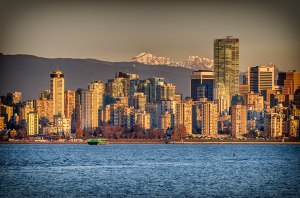
First Baptist Vancouver, or ‘First’ or ‘FBC’ as we are known on the street, is a community that believes it is possible to live and love the way Jesus does – and we come together to help one another on this journey of becoming like Jesus. Located at the crossroads of downtown Vancouver a vibrant community congregates in our stone building. We are young, old, and in-between; rich, poor, employed and re-training; multicultural; families and singles; Bible scholars and seekers.
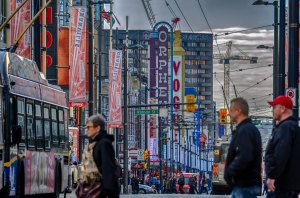
Our neighborhood is surprisingly filled with many young families and our Children & Family Ministry is one of the most robust in our congregation. Engaging one hundred volunteers, we are a church deeply committed to family.
Children & Family Ministries is vital to the health of our congregational and community life at FBC and in our neighborhood. The new director will have primary responsibility for giving leadership to shape Sunday morning and mid-week children’s programs, ensuring that they are Biblically relevant to the contemporary family and for developing a family friendly congregational environment. Reporting to the Executive Director, this ministry leadership position is supported by both staff and volunteers. A strategic team, your Ministry Area Team (MAT) will be established to be a support in this ministry area, and assist you with dreaming, strategic planning and assessment of existing programs.
In order to carry out this important ministry in our congregation and neighbourhood this position will include a number of key responsibilities in multiple areas including:
The successful applicant we see as having the following skills and traits:
Hours per Week: 40 (FTE)
Compensation: FBC uses a salary grid commensurate to the role responsibility, education & experience.
Timeline: Accepting applications immediately
Closing Date July 22, 2013
Contact
Please submit your resume electronically to employment@firstbc.org
 I love taking public transit to work and one of the reasons is that it surrounds me every day with ‘normal’ people – those who are not followers of Jesus. I say normal because they are the majority – especially in my city.
Yesterday, a young woman in her twenties boarded the train dressed in black from head to toe and sat right in front of me facing sideways. She was sharply dressed and looked as though she might work in one of the large office towers in the city centre. Her style was like ‘professional Goth.’
As she was getting settled in her seat she turned her head to the side and I was able to see a tattoo on her left cheek. It was an upside down cross.
“I noticed your tattoo. Where did you get it done?” I asked. (If you are putting a tattoo on your face, I figure you are inviting conversation.)
She looked directly into my eyes, pondering whether she would even respond. Was I being judgmental or condemning? Why was this man even talking to me? Eventually, she answered with the name of an artist, and she had it done nine blocks from our church.
“I guess if you are going to get a tattoo on your face, you would sure want to have the right artist,” I answered. “My son gets his done by an artist in Calgary.” This suddenly changed our relationship, and I even got a small smile. Now, keep in mind, I am looking at a young woman the age of my oldest daughter-in-law. She is attractive, yet her dark eye makeup and the upside-down cross on her face shout out defiance that I am sure comes out of deep hurt.
“What is the meaning of the tatt?”
Laughing she responded, “It is my way of giving the finger to organized religion”
“Well, it is a very appropriate tattoo for this week,” I responded.
“Why is that?”
“Because the Pope announced he is resigning, and he actually sits on a chair that has an upside-down cross engraved on it.”
“He does? Unreal!” She was really mystified. “Why.. would the Pope have this on his chair?”
“Well, maybe he wasn’t brave enough to put it on his face,” I quipped.
She laughed with a big smile.
“Before I tell you more, and out of respect for you, I want you to know that I am a minister. I work at First Baptist downtown.” She was flummoxed, her head now fully cocked to one side.
I continued, “I know that organized religion can be incredibly frustrating for people to understand and even experience.” More puzzled looks. “But the Pope has your symbol (pointing to her cheek) on his chair because for us as Christians, it reminds us of Peter, one of Jesus’s disciples. Peter was crucified on a cross like Jesus – but upside down. He was killed because he refused to renounce his faith in Jesus. He didn’t feel himself worthy to be crucified like Jesus and asked to be hung upside down..hence the cross on the Pope’s chair. The church was founded by this man – Peter.”
With a subdued, softer bewildered look, she began to gather her things together, getting ready for her stop. My morning friend did not seem anxious to run away, and if our commute had allowed it, she might have liked to talk more.

What will she think about when she looks in a mirror today, and tomorrow, and next week?
Engaging normal people by inviting them to think instead of telling them what to think is an effective strategy.
I hope I meet ‘cross lady’ again to continue the conversation.
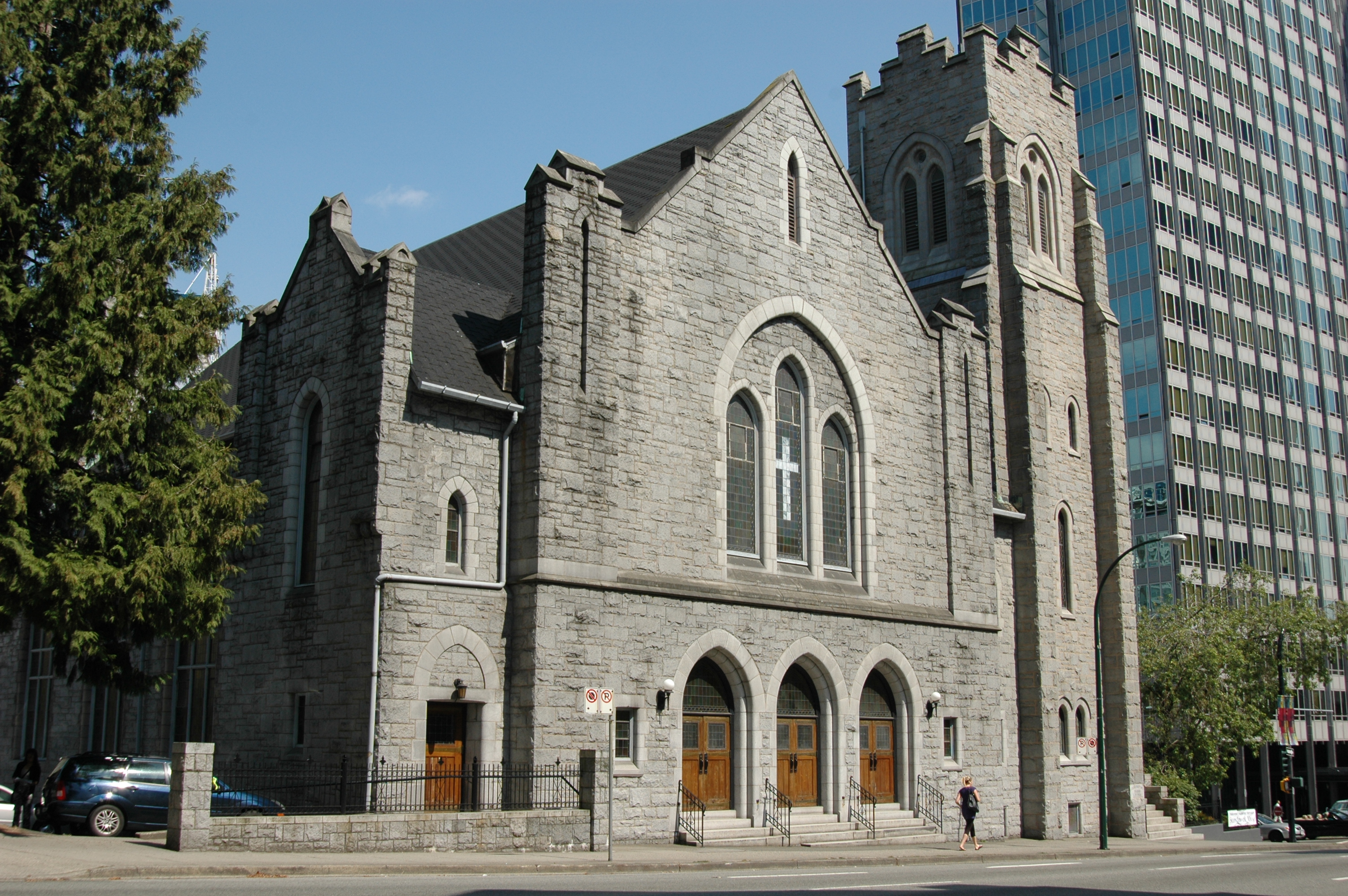 In our downtown church we have a weekly email that goes out on Monday’s to those who work in the secular workplace, as opposed to homes, churches, or specialized ministries. It’s purpose is to encourage men and women disciples to see their work environment as their place of ministry- and this is a high calling.
Here was today’s message as we start the new year – CP
_____________________
I have probably given away thirty copies of the book “First Things First” by Stephen Covey. It is a definitive work on time management and explains that most people are driven by the concept of urgency. But to really effect positive change in our lives, we need to reorganise the way we spend our time; based on the concept of importance – not urgency.
You may be familiar with Covey’s four quadrants:
1. The first one represent the things that are both important and urgent for us to do (you need to do them now).
2. The second represent the things that are important, but not urgent (you can decide when to do them).
3. The third represent the things that are not important, but urgent (you should delegate them and not do them yourself).
4. The last quadrant represent the things that are neither important or urgent (you should dump them!).
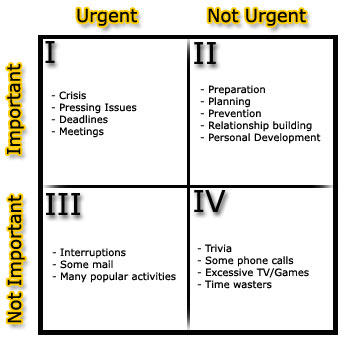
A great exercise for leaders at the beginning of each year is to do an inventory of all the things you have on your plate to do – then discern what quadrant they are in and act on them accordingly.
When Jesus discusses putting “first things first” He says “ ..seek first his kingdom and his righteousness..”. (Matt. 6:33) Seeking first His kingdom is to desire – as our very first priority of important things – to spread the reign of Jesus Christ. God’s kingdom reign begins in our hearts, then spreads outward to our family and friends, and then like ripples in a pond – to the ends of the earth.
As you start this New Year, take a moment to survey your personal realm:
May God bless you as you seek the kingdom of God in every area of your life.
Blessings,
Carson
 (Following is written from journal notes I’m wanting to complete the trip blog with Australia, New Zealand and Hawaii)
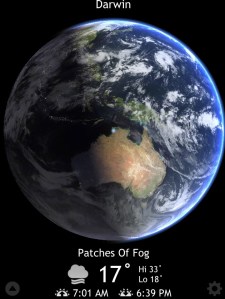
Our flight from Thailand and Malaysia signaled a reentry of sorts. We landed in Darwin in the Australian Northern Territories. Although I have been in Australia many times – this region was different as evidenced in the people. They were young, multi-ethnic and well, a little on the ‘rough’ side. They made me smile.
The rather warm welcome we received at Australian Customs and Immigration was akin to meeting up with cousins. My customs agent even smiled and added, “So you’re Canadian eh?” as he looked at my passport trying to find a page where he could squeeze a stamp on.
It is true. Our countries are like cousins. Australia and Canada have been linked for the past century. Both countries share similarities in terms of their sprawling geographies and being resource-based. We are both former British colonies with a common history and guilt-laden problems associated with our native people. We have also become two of the richest nations in the world.
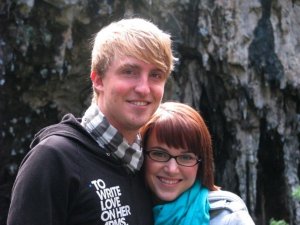 Our son Jeremy and wife Shari lived in Perth when first married. In typical Aussie manner he was quickly given a nickname that shortened his name to simply ‘Jez.’ They love doing that and don’t really care what you think of the name they adopt for you. In the time our kids lived in Australia they developed ‘mates’ they are still in touch with.
I love this about Australians and I have many friends there I keep in touch with. I love their Aussie sense of humor, their ‘attitude’ of independence and what I might call their ‘sauciness’.
Now there are some people whom Australians offend. They find them arrogant and rude.
It’s important to understand the Australian psyche here rather than get all bent out of shape about this. The Australian culture is largely based on the premise that “anything goes” and “anyone is fair game”. Mate-ness is spread throughout the restaurants to the casual BBQ setting; the light-hearted work environment to the jovial yet die-hard sport rivalries in ‘Footie’ espousing a “no worries, mate” attitude. They are what we might call earthy, and forthright.
As a mentor and student of leaders I have often wondered if beneath the seeming authentic bravado of Australians there may be an underlying insecurity that is embedded in the culture or their family history.
Most often a person or leader who’s first impression is one of being overwhelming, brash, bold – often sprinkled with a sarcastic style of humor – has some significant insecurities beneath all of that. How does one address this?
Well for Christian believers, it is by establishing your security and identity in being a child of God. This is something that a mentor or spiritual director can guide you in to break down old thought patterns and establish new ones. Once that is in place, we become comfortable in our own skin or “fair dinkum” is the Aussie expression for someone who is really genuine.
It has been said that Canadians accept you while Australians tolerate you. Outsiders can sense a bit of this in Australia. It is like they are checking you out. If you pass their ‘test’ (whatever that is) they can quickly move to calling you ‘mate’ with lots of warmth.
 When Bob and I arrived in Sydney. We were met at the airport by Chris – a man we did not know except via email who was connected to Bob through the Parkinson’s world of relationships. He and his wife Pam hosted us for the week in Sydney and we left them feeling the warmth of relationship you would share with a close cousin.
As I am writing this I am also thinking of my close mate – Graham Johnston from Perth who is now with the Lord. He and I shared ‘mate-ness’ and I miss him greatly but will forever be grateful for all that we shared together. We even shared a name in that his son is named “Carson.”
Cousins are unique and our stay in Australia should be inspiring.
My niece Christina lives in Chiang Mai. She is a teacher there and speaks Thai fluently, which was a huge advantage during our visit there. She is married to Teerawood, a man she met while on a mission trip, who is from one of the hillside tribal groups called Lahu.

Many of his family members still live in the hills near the Burma border. These hills are sometimes referred to as mountains but for someone from Vancouver we will just try to stick with hills.
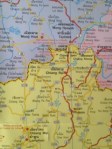 In 1989, the military government “officially changed” many British colonial-era names. Among these changes was the alteration of the name of the country to “Myanmar“. Many countries in the world (including Canada) do not officially recognize the name and still refer to the nation as Burma, which is what I am choosing to do in this article.
 Burma is one of the poorest countries in the world and has had a civil war taking place for the past fifty years. The decades of military dictatorship have basically destroyed the country’s infrastructure and leaving over 30% of the population of 50 million live in poverty. Burma under this regime has become the world’s second largest opium producer and the main producer of methamphetamines in SE Asia.
World Vision tell me that the country also has one of the highest HIV infection rates in Southeast Asia–more than 240,000 people are living with HIV and AIDS.
Foreign Affairs Canada advises against all travel to areas along the Burma/Thai border due to “clashes between the military and armed groups, ethnic conflict, banditry, and unmarked landmines in these areas which pose risks to the security of travellers.” Okay, that seems pretty straightforward. Sporadic fighting between military forces and armed resistance groups is still occurring along the border with Thailand and, tens of thousands of civilians have been displaced and are living, hiding or are in refugee camps
So, when Bob and I were asked us if we would like to go to ‘the village’ by the border we weighed the situation for about fifteen seconds and then jumped at the opportunity.
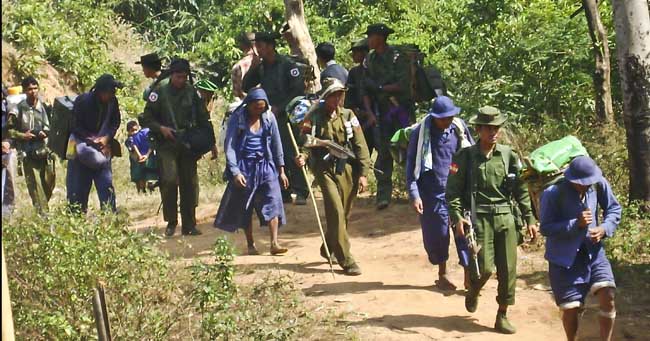
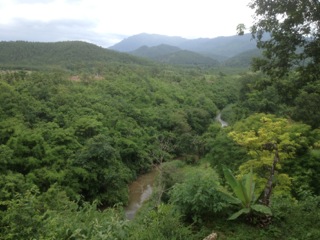 It was almost a four-hour drive north of the city through stunning countryside. The lush vegetation, valleys, rivers and villages along the way were worth the trip of themselves. The jungle made me constantly think about Vietnam and how they could ever fight a war in jungle like this.
When we reached the village of Huay Kok Moo it was like entering another world. The village name translates ‘Pig Pen Village’ and derived its name because the people there literally keep their pigs in pens.
Everyone we met welcomed us warmly. They are not used to having too many visitors in this remote area. The mountains in the background mark the border to Burma and the close proximity made it clear why the people here are affected by the government struggles. At night you can sometimes hear the gunfire from near the border just kilometers away.
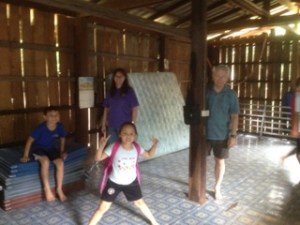 Our sleeping accommodation was on the second floor of a home building were the entire family slept together on the floor with mosquito nets over each bed. After getting our beds set up and dropping off our overnight bags we walked through the village on paths up and down the hills as the neighbors and especially the children stared and smiled. Usually built on stilts using split bamboo for walls and grass for roof thatch, most of these small houses have no running water.
 Many village houses are raised up on stilts and underneath are kept the family chickens and pigs. Inside you see a supply of bare-bones essentials: partitioned sleeping quarters with a mat for a bed and a kitchen of sorts with a wood-burning hearth on the floor. The kitchen doubles as a social gathering place for its inhabitants.
There is primitive electricity now in the village and a few satellite dishes set outside the huts making me smile just thinking about the positive and negative influence of television on this tribal culture.
 Back at Teerawood’s parents home the women were busy cooking the evening meal. A number of guests had been invited to meet with us – pastors in the area (really the elders of the village).
The meal was greens and fruit picked from the garden or jungle, some chicken, pork, rice and garnished with some spicy condiments and hot local tea. For dessert we ate the most delicious pineapple and mango we have every tasted – picked just minutes before.
As we talked after dinner I observed a beautiful simplicity to life here in the village. The people are usually smiling, gentle and caring for their neighbor. These particulate Lahu people are mostly Christian having been reached by missionaries years ago. They know well the teachings of Jesus about loving your neighbor as yourself. Yet many of them are displaced themselves from Burma.
The war in Burma is truly a horrendous situation. Rambo notwithstanding, the stories have not been exaggerated. Torture, murder, systematic rape, villages burned down, men forced to carry heavy loads for days on end with no food or to “sweep” for landmines…it all happens. There are apparently over 100,000 Burmese refugees living in the jungle in camps on the Thai side of the Thai-Burma border. Agencies of the Thai government and NGO’s are helping to get them resettled but as soon as they are new ones arrive to take their place.
I wondered, “How do you love neighbors like the Burma Army and their execution squads?”
In Thai the word for village is หมู่บ้าน (pronounced ‘muban’).
When in Chiang Mai, Christina would refer to what I would have called subdivisions as muban. They were ‘villages’. The city is composed of neighborhood ‘villages’ and I love the image of this.
Our neighborhoods in Vancouver are actually like little villages – although we often don’t love and care for one another like they do here in Huay Kok Moo. I don’t have to live with the thought of a military force displacing me or forcing me to walk before them across roads or rice fields to clear mines. But we have a struggle of our own taking place in that I see clearly as a Christian leader in a downtown church.
We live in interesting, and challenging days being followers of Jesus of Nazareth in Vancouver. In one of Jesus’ central teachings, he commands us to love our neighbor (Mark 12:31). Yet we don’t know what to do when we don’t agree with our neighbor about something – especially something important, like our religious beliefs. And while we love our neighbor in “the village” by meeting physical needs and being kind, there is an overlooked, application of this passage.
To really to love our neighbor we actually need to stand up for the possibility of truth. We need to protect the endangerment of honest disagreement concerning the nature of reality.
Today a battle is raging in movies, television, newspapers and university classrooms concerning the nature of tolerance. There seem to be 2 competing definitions:
(1) False Tolerance: We can make no judgments at all about the truth of others’ beliefs.
(2) True Tolerance: We allow others the freedom to hold beliefs that we judge to be false.
If we cannot tell our neighbors or ourselves the truth about reality, then we cannot really love them. Because love involves seeking another’s highest good. We must fight false tolerance that seeks to intellectually bully our village into agreeing that every viewpoint (especially when it comes to religion, and morality) is equally valid.
We must speak up in love for the possibility of truth.
Loving our neighbor requires this.
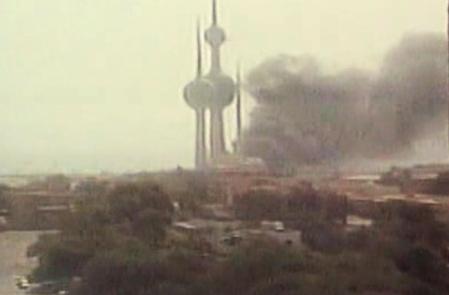
I have come here really knowing Kuwait for one reason; it was a catalyst in sparking the Persian Gulf War of 1990-1991. Iraqi troops invaded Kuwait August 2, 1990 bombing Kuwait City to smithereens. In response to this surprise attack, President George H. Bush deployed American troops to Kuwait as part of a coalition force to beat back the Iraqi Army. But the damage had already been done. Kuwait City was in ruins. Iraqi troops set oil wells on fire, eliminated all resistance, and stole $700 million worth of gold bullion was from the Kuwaiti government.
Today, Kuwait City is a completely different place. With help from the US and other countries, they have rebuilt a new country and so much of the city has been rebuilt from the sand up.
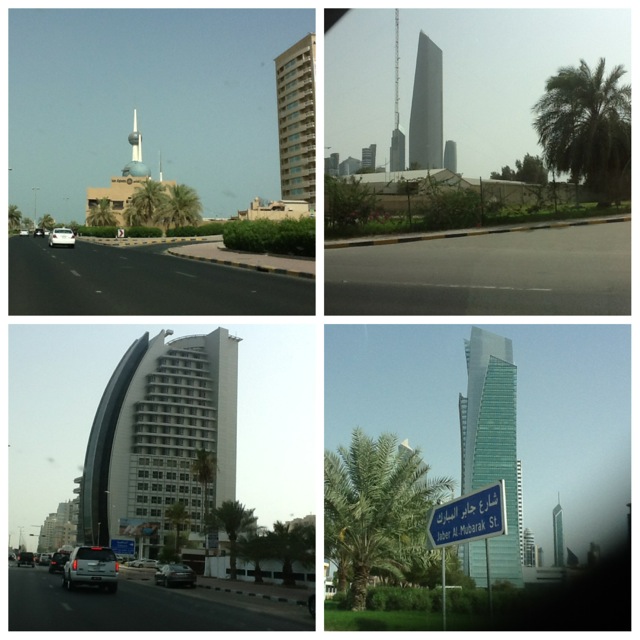 Driving in Kuwait, the modern buildings of Al Kuwayt (Kuwait City) pierce the skyline proudly show casing the wealth of the nation. The architecture is outstanding. We could also see the palm trees and plush green landscape weaving through this concrete jungle, and sparkling blue water of the Persian Gulf encompasses the northern part of the city.
It looks like you are in Saskatchewan 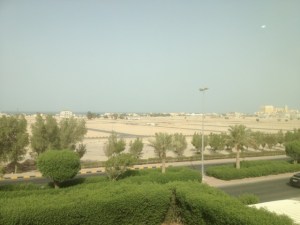 at harvest time for golden sand stretches to the horizon. (Well, it does but without the grass, rolling hills and trees.) The highest point in this entire postage stamp size country is 306 meters high.
The population of Kuwait is about 2.5 million. Most of them live in Kuwait City and of these, one-half are non-nationals hired to serve the Kuwaitis.
The people once lived as tribal nomads or as town dwellers but with the discovery of oil in the twentieth century, the traditional Arab culture of Kuwait advanced rapidly. Unlike most Arab countries, Kuwaiti Arabs enjoy a modern, industrialized society. However, I did witness how at times the old “Arab ways” and values conflicted with modern, urban life.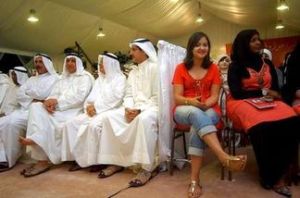
Kuwait is hot. The temperature remained in the low forties the entire time we were there. Bob and I are travelling with special clothing made for washing in hotel room sinks and drying over the shower bar. During our time in Rwanda it rained a fair bit and so drying our clothes became a three day operation. I did a wash in Kuwait, hung my clothes to dry outside and voila! Ten minutes later they were not only bone dry, but stiff also!
The prophet Mohammed lived in the area, and it was here that he developed Islam as a new religion. Kuwait culture is now based on Islam, and it is the main religion in Kuwait. It influences architecture, clothing, food and other ways of life.
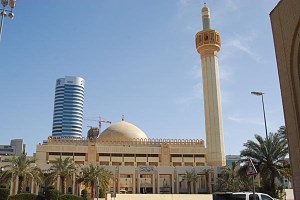
While Muslims demand for concessions in non-Muslim countries like my own, Canada – non-Muslims are systematically persecuted, terrorized and ethnically cleansed from most Islamic lands. But unlike other Arab countries, Kuwait allows non-nationals to practice their own faiths. Today, eighty-five percent of the people here are Muslim and the remaining thirteen percent are Christian, and two percent Hindu, and Parsi followers.
So in the heart of Kuwait City there is a church – by that I mean the body of followers of Jesus – who are living and leading well. I do not want to be too specific about the nature of their ministry so as to not possibly hinder their presence there, but I had the privilege of preaching at four of their twenty-four services on the weekend we were there. That is correct, twenty-four. (I think it is now up to twenty-eight). Bob also preached a one of the services and it was a very meaningful experience for us both. This is a church that ‘gives back’ when you preach. They are engaged, responsive and people of action. You get the impression they will take what they learn from this sermon and apply it next week where they live or work.
A ministry and marriage seminar was also held on the weekend for leaders of this large congregation and I was again impressed and touched by this group of people. I loved them and their leaders.
This is a church that has grown through multiplication. At the heart of it is transformation – they celebrate transformation in people’s lives. They have a very in-depth discipleship process as a key element of their church.
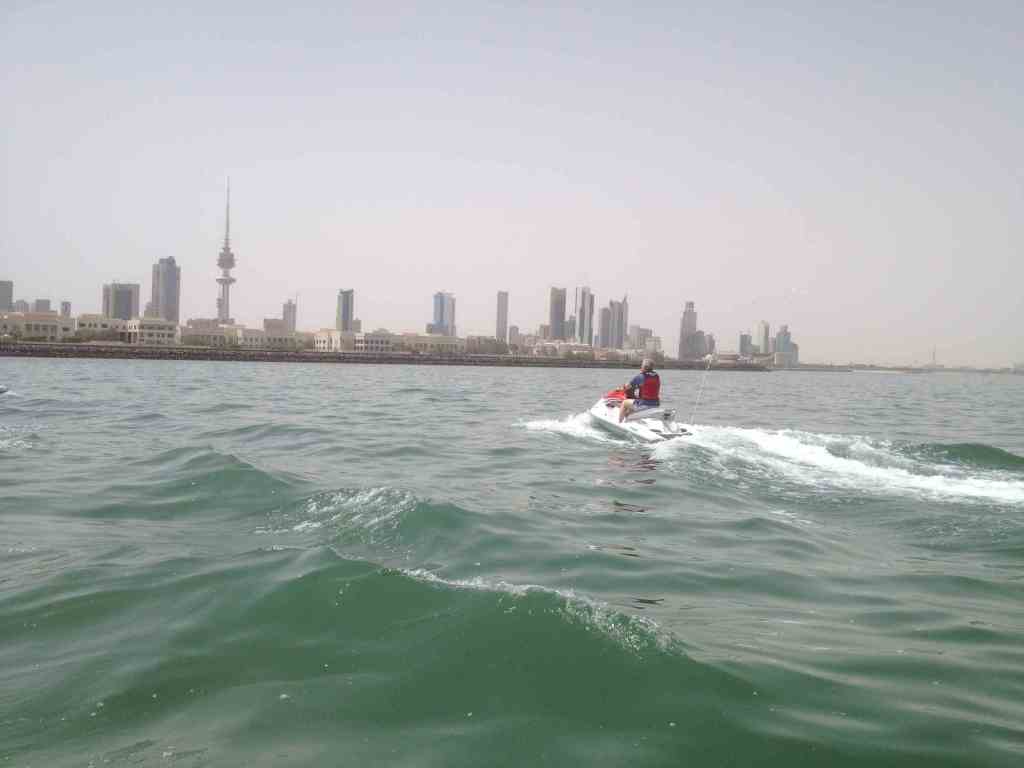
As I have pondered our fantastic time in Kuwait (including an afternoon on jet skis in the Persian Gulf) I learned something I am bringing home to our church.
I have a lot of respect for leaders who stay working in a business or organization for more than ten years. In order to do so they have built a tremendous trust account with their people, have adapted to the many changes that take place, and have re-invented themselves at least two or three times.
It is for these reasons that I was so delighted to spend time with a great leader – Stanley Mehta. He is, and has been, Senior Pastor at Bombay Baptist Church located at the southern end of Mumbai near the Gateway of India. He has been here for thirty-one years and is fifty-nine years old.
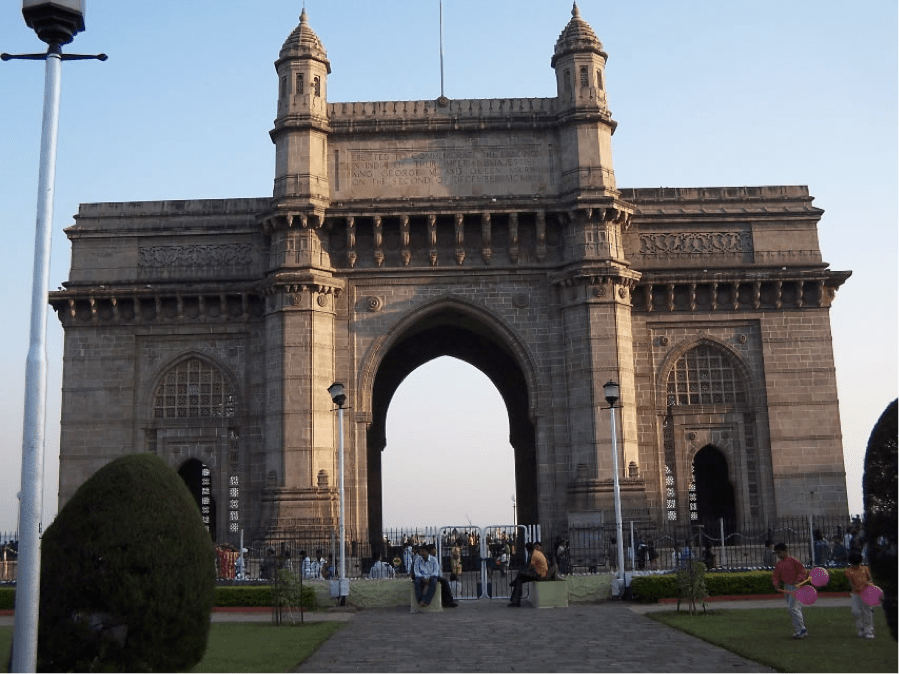
The British rulers, using Indian labor, constructed this architectural statement between 1913 and 1924. It was to commemorate the visit to India of King George V and Queen Mary in 1911. The locals here refer to it as the Taj Mahal of Mumbai.
Interestingly, the congregation of Bombay Baptist Church would have watched this construction take place for the church was formed in 1896.
Across the street from this charismatic Baptist church is the Imperial Mansion. In fact, within walking distance of the church are: homes of two of the wealthiest people in India (one of them in the world); a beautiful beach area frequented by Bollywood stars; and then less than fifteen minutes away is the underworld of the brothels of Mumbai.
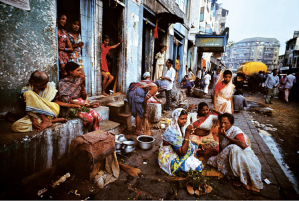
This is a very complex community in which to ‘be the church’ due to the extremes of socio-economic cultures as well as a very diverse ethnic blend an languages spoken here.
The sanctuary itself seats five hundred people on plastic chairs that are stacked against the walls to use the auditorium throughout the week for other purposes. Today they have 4,400 attending on Sundays with services in English, Hindi and Tamil.
How do they do this? Well in 1987 they started training lay people in the church to minister in house churches and today they have over 25 locations for Bombay Baptist Church throughout greater Mumbai. With 70 staff and 65 committed volunteers it was easy to discern that my new friend Stanley is a great leader of people. Then when he let me in on his organizational structure that makes all this happen I was even more impressed.
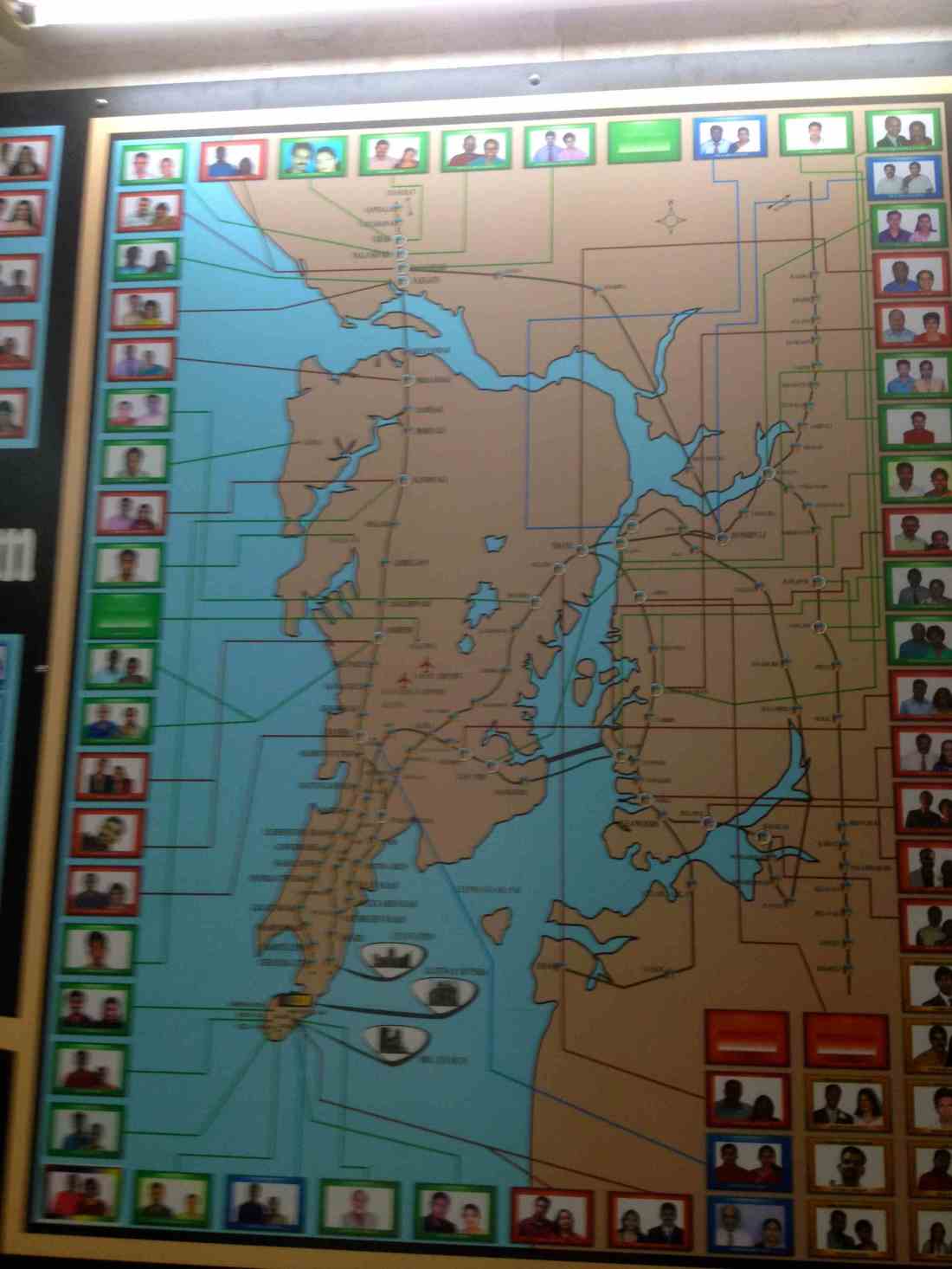
To stay put in a complex neighborhood situation like this requires stamina. In a formal role that demands you provide leadership, you’ve got to deal with the people thing. In fact, your impact, your effectiveness, and your performance depend on your ability to influence, work with and/or through others effectively. As obvious as this sounds, it is the primary failure of most leaders.
Stanley is not a failure. This man taught me so much in two hours I went away amazed and wondering how some of his strategies and methodology might speak into our church situation in downtown Vancouver.
What a joy to be with someone who is so committed over time. I am silenced just thinking about all that has been accomplished in his neighborhood.
So, just before leaving I mentioned to Stanley how moved I was by their commitment to the community (I have in my journal a list of all the services they do as a church in the city).
“Carson”, he replied, “Jesus told us that we are to be about loving God, and loving our neighbors as ourselves. In our churches we are good at loving God in our worship and our prayers. We are not very good at loving our neighbors.”
I was quiet on the drive back to the hotel as I drove by his people, his neighborhood, and ponder these words.
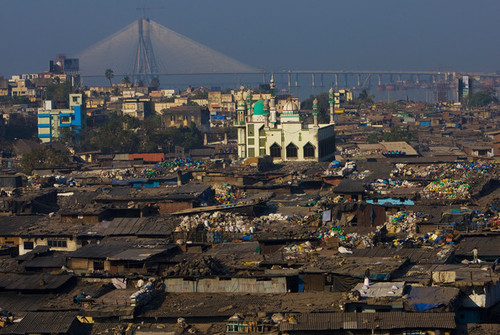
I love the cities and looked forward to our week in Mumbai, India, the city formerly known as Bombay. It is the largest city in India and one of the largest cities in the world with a population of over 21 million.
 Many northern hemisphere folks were introduced to this city through the blockbuster movie: Slum Dog Millionaire and although Mumbai is home to the largest slum population it is also a booming commercial capital and predominant Asian seaport. All around us are construction cranes, and even Donald Trump is investing in buying property here – although Donald might be viewed as chump change to the other billionaires living here. Two of the richest people in the world live in Mumbai.
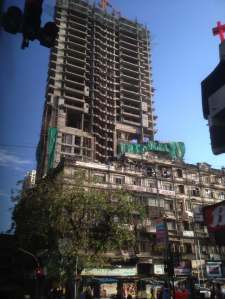
Add to all of this Bollywood, center of the globally successful Hindi film industry. This creates an eclectic cosmopolitan feel to the city and peppers it with movie and music stars driving down the streets. This lends a Los Angeles feel to the city and the local beaches add to that comparison – however the waters off Mumbai’s coast looked extraordinarily dirty.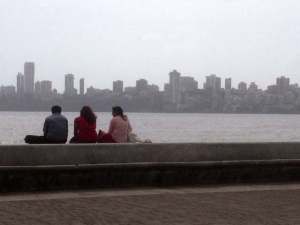
People from all over India have flocked to this city in search of work, fame or anonymity. It has created a rich mosaic of cultures all within the one city. Hindu temples, mosques, churches and even some synagogues reflect some of the diversity. English is very widely used and most people we met could communicate with us in at least broken English (except for one driver Bob had but that is his story to tell).
There is a strong 19th century architectural influence that the British established and these buildings are in remarkable condition for their age – in contrast to buildings erected in the last thirty years that appear to be falling apart.
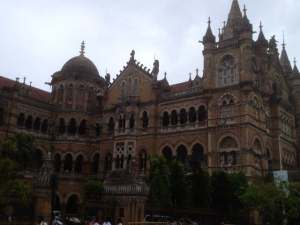
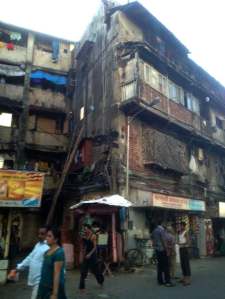
Labor from our Canadian perspective is inexpensive in Mumbai however this does not factor in the purchasing power of the Rupee for the people earning them. You see many people servicing some businesses. The restaurant that Bob and I favored had a staff to guest ratio of four to one – and the service was exceptional!
Mumbai for its size and diversity felt quite safe. Having been targeted by terrorists from Pakistan on three occasions (1993,2006 and 2008) killing a total of over 700 people, security is high in most buildings. For example, we were not able to drive into our hotel without the car being searched for weapons or bombs each time. When we walked into our hotel there was a screening device as in airports you walked through.
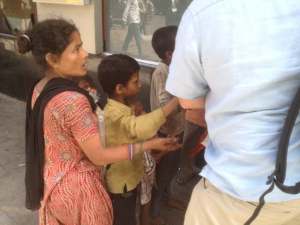
Some visitors to India may want to argue with my position that Mumbai feels safe due to how frequently you get approached by people on the street trying to sell you something. From beggars to prostitutes, you will have people pressing into you (literally) especially if you are a foreigner.
 But there are lots of police around, right? Well, policing in Mumbai is a challenge. We had the privilege of meeting with the District Police Commissionaire. He is a devoted and decorated police officer who has also served the United Nations in peacekeeping and international policing situations such as Kosovo.
He told us that there are 44,000 police officers for the city of Mumbai or 1 officer for every 500 people. The ration for Vancouver is 1 for 507. However, how effective are they? While the ration seems good, there is much training needed for the officers, and the temptation of economics make bribery a common practice among some officers.
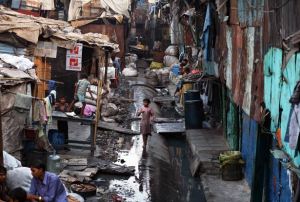 We were surprised to learn through the folks at International Justice Mission that in a courtroom, the testimony of a police officer is not considered reliable and that there must be the presence of a civilian witness in order to seek a conviction. This is because of the level of corruption in the system. (See positivelyparkinsons.com for Bob the lawyer’s discussion of this).
More on Mumbai and the work of IJM next …
Kirstie (Jon’s girlfriend) just asked me what place has been my favorite so far on this round the world trip. It is a question frequently asked and it is impossible to answer. Each culture is very different and our experiences are not even in the same categories. This has made me think about the different cultures we have visited and the varying degrees of culture shock we have experienced.
Cultural DisorientationFlying from one country to another sounds so exotic. Life in a foreign culture can be exciting, but it can often lead to misunderstandings and this is something I have tried to keep before me as I listen to leaders from so many different countries and backgrounds. |
|
When travelling like this you can have periods of confusion and cultural disorientation and even find it hard to cope with the easiest tasks required for life. This is part of culture shock and not uncommon. Bob and I had decided before we started to just roll with it – whatever that would be.
The Shower
I turned the tap on and tilted it to the middle. The water was quite warm, so I moved it towards the blue dot. The water temperature increased. “Ah”, I thought, “it is not a ‘civilized’ here as I thought. They put the tap in backwards.” So I moved the handle back towards the red dot – but the water was hot there too. Strange? At breakfast I shared my experience with Warren and Debbie Reeve where I was staying. They smiled (laughed actually) and told me in Kuwait during the summer that water heaters are turned off because water tanks are stored outdoors in the 45 degree Celsius sunshine. So it is all hot – blue or red. While I was trying to impose my Canadian expectations on the shower faucet it simply functions differently here. It takes a different type of traveller to consciously set aside our predispositions to listen to the culture of others. We all know how it is when you visit a place as a tourist and it seems so ideal. You just want to stay there. Yet when you really listen to those who live there you find it is not as glamorous as you thought. No place is perfect. For Bob and I as we are travelling abroad, we have discovered that it’s when we experience and see things that you do not see when you are just a tourist that we have really ‘listened’ to the people and begin to understand the culture. The potential for culture shock or misunderstanding is present every time you change cultures. For us that has been almost every week for the last month and half. Although we have both traveled widely we can still experience culture shock. Having a sense of cultural disorientation is normal, but there are a few things that I have been processing that I think may be very applicable when I return home to Vancouver to a very international church. Travel TipsIn communicating with people from different cultures in your city here are a few things we have learned that help:
So while this all seems easily applied while I am the minority in another country and culture, I am pondering how I might live differently at home.
|
|

 From My Chair