What Every Child Needs from Us

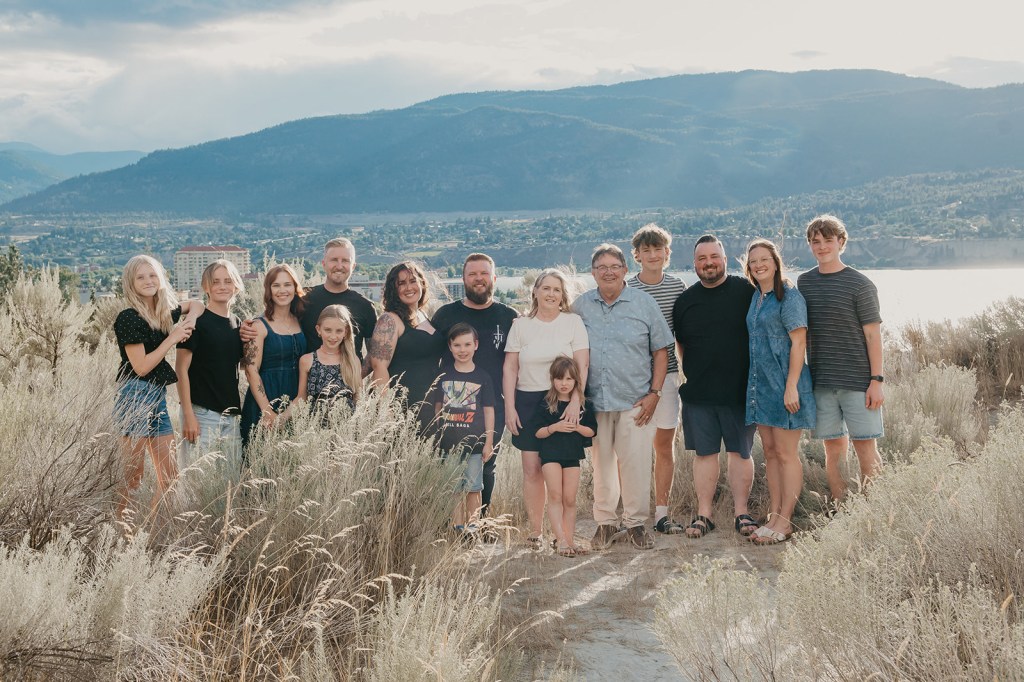
I’m often asked about our family. People comment on my sons, my relationship with my “daughters,” and how much they enjoy watching me as “Grandpa.” Many say, “The Pue family seem so close—what’s your secret?”

Before I go any further, let me say this: I truly believe we’re a great family—a clann, as we Irish like to call it. Not a perfect one, of course—we know that well, and we’re not afraid to admit it. But there’s something special about the way we come together, support one another, and carry forward the values that have shaped us. It’s a bond I cherish deeply and one that continues to inspire me every day.

As I look at other families I admire—and as I’ve watched generations grow—I’ve come to see that children don’t become healthy, whole adults by accident. They’re shaped day by day by the environment we create around them. The home is their first classroom in life and love. And though every child is wonderfully different, there are six essentials I believe each one needs to thrive: security, love, intimacy, affection, significance, and affirmation.

I approach this with a deep sense of humility, as it touches on my sons and the principles that have shaped their lives. It’s impossible to reflect on this without acknowledging their mother, Brenda, whose influence was profound. She modelled these principles so beautifully and consistently before her passing, leaving a legacy that continues to inspire us all.


At the time of writing, Jon, Kirstie, and their two children are living with us, giving us the privilege of witnessing these principles in action within their little family. I also see this same legacy reflected in the lives of Jason and Kristin, Jeremy and Shari, and their families. It’s a joy to watch how these values ripple outward, shaping the lives of all my grandchildren in unique and meaningful ways. As a mentor at heart, I feel drawn to reflect on and share some learnings from our family’s journey. I do so with deep respect and gratitude for the love and lessons that have shaped us. So, here are six principles to reflect on.


1. Security – Tells them “You are safe.

A child’s world can feel uncertain and unpredictable. They need to know that home is a place where love doesn’t walk out the door.

How to nurture it:

  • Keep your word. If you promise to show up—do it. Reliability builds trust that will echo into adulthood.
  • Stay calm in conflict. When they make mistakes, respond with steadiness instead of anger. Your reaction teaches them whether love depends on behaviour or is rooted in grace.

2. Love – Let’s them know “You are wanted.

Love is more than words; it’s attention and presence. Children feel loved not when we tell them, but when they experience it through our focus.

How to nurture it:

  • Be fully present. Put down the phone, make eye contact, and listen. It says, “You matter more than my distractions.”
  • Build small rituals. Bedtime chats, morning hugs, shared meals—simple rhythms that remind them daily of your affection.

3. Intimacy – Provides the promise “You can be known.

True intimacy means being known and accepted as you are. Children need to experience that transparency is safe. When we allow ourselves as parents to be known it teaches that honesty, not perfection, is the pathway to relational connection.

How to nurture it:

  • Share your story. Let them see your humanity. Tell them about times you were afraid or failed and what you learned.
  • Listen before you fix. Often, children need empathy, not answers. When you sit with them in their feelings, they learn that emotions are not weaknesses but signals.

4. Affection – Let your son or daughter know, “You are cherished.”

A hug, a hand on the shoulder, a soft word—these small gestures tell a child, “You are loved and enjoyed.” I have mentored adults who have grown up in families without affection, and they are very guarded. However, children who experience affection tend to thrive!

How to nurture it:

  • Show warmth often. Affection shouldn’t only follow achievement; give it freely and often.
  • Use gentle tone. The way we speak can either open or close a child’s heart.

5. Significance – Let them know “They matter.”

Every child needs to know they have value and that their life contributes to something larger than themselves. When a son or daughter knows they matter, they develop a sense of purpose that can carry them through life.

How to nurture it:

  • Give real responsibility. Invite them to help with meaningful tasks, not just token chores. Contribution builds belonging.
  • Recognize character. Instead of only praising results, affirm traits like kindness, perseverance, and honesty.

6. Affirmation – “They have what it takes.”

Affirmation is the voice that says, “You can do this.” It shapes courage and resilience. With repetition, it builds confidence that will serve them long after they’ve left the home. For more on this, check out the Mentored Podcast Episode 04.

How to nurture it:

  • Be specific. Swap “Good job” for “I saw how patient you were with your sister.” Real encouragement is rooted in observation.
  • Catch them doing right. Don’t let correction dominate your communication. Children rise to the level of our belief in them.

Affirmation builds an inner voice of confidence that will serve them long after they’ve left your home.


Final Thought

Parenting is sacred work. We don’t get it perfect—but we can get it right over time. What matters most isn’t perfection; it’s presence, consistency, and grace.

When children grow up surrounded by security, love, intimacy, affection, significance, and affirmation, they carry a deep sense of wholeness into the world. They know who they are and Whose they are.

God, in His perfect fatherhood, models every one of these traits. He is our security when life shakes. His love never wavers. He knows us intimately, delights in us with affection, gives our lives significance, and speaks affirmation over us daily through His Word.

As we reflect His nature in our parenting, we give our children not only a picture of healthy humanity—but a glimpse of divine love.

So take heart, parents. The seeds you plant in love today will bear fruit for generations.

When Leaders Lose Heart: Walking with Others Through Disappointment

I’ve sat across from countless leaders over the years—some at the pinnacle of their careers, radiating confidence and success, and others in those quiet, dimly lit corners of defeat. While we love to celebrate the victories (and rightfully so!), the unspoken reality of leadership is that disappointment isn’t just possible; it’s inevitable.

When a leader sits before me, shoulders slumped under the weight of a vision that didn’t come to pass or a betrayal they never saw coming, my heart breaks a little. I know that weight intimately. I’ve carried it myself. But I also know that this moment, heavy as it is, holds a profound invitation for growth that success simply cannot offer.

In mentoring, our role isn’t just to cheerlead the wins. It’s to sit in the ashes with someone and help them find the embers that are still glowing—and trust me, they’re always there.

The Silent Weight of Leadership Disappointment

Disappointment in leadership is a unique kind of pain. It’s rarely just about a failed project or a missed quarter. For most leaders I know, our work is deeply woven into our sense of calling and identity. When things go sideways, it doesn’t just feel like a professional setback; it feels deeply personal. It can feel like a complete disorientation of the soul.

When I mentor leaders walking through this valley, I understand the temptation to hide it. We feel we need to keep that “brave face” on for our teams, our boards, and even our families. But here’s the thing—hiding disappointment only allows it to fester into bitterness or cynicism.

The Ministry of Validation

One of the most powerful things we can do as mentors is simply to validate the pain. Sounds simple, doesn’t it? Yet, leaders are so often told to “shake it off” or “pivot” that they rarely get permission to just say, “This hurts like hell.”

When a leader tells me about a key staff member leaving or a strategy that flopped spectacularly, I don’t rush to fix it. I don’t immediately quote Romans 8:28, even though I believe it with every fibre of my being. First, I say, “That must be incredibly hard. I’m so sorry.”

Validation is the first step toward healing. It acknowledges that the loss is real and raw. It tells the leader that their feelings aren’t a sign of weakness, but a beautifully human response to a broken situation. By validating their pain, we create a safe harbour where they can drop anchor, stop drifting, and just breathe.

Moving from Lament to Learning

However, we can’t stay in the harbour forever. There comes a time when we must help the leader lift their eyes from what was to what could be. This is the delicate pivot from lament to learning—and it requires both wisdom and impeccable timing.

Disappointment has a way of revealing our foundations. It strips away the superfluous and forces us to ask those hard questions:

  • Was my identity tied too tightly to this outcome?
  • What can I learn about my own leadership style through this mess?
  • Is there a character issue God is trying to refine in me?

I often tell the leaders I mentor that God is the great Recycler. He wastes absolutely nothing. The pain you’re feeling today? That’s the raw material for the wisdom you’ll share tomorrow.

This isn’t about toxic positivity or pretending the failure was “good.” It’s about stewardship. How will you steward this disappointment? Will you let it harden you, or will you let it soften you, making you more empathetic and resilient?

Reframing the Narrative

One of the most critical skills we can teach is reframing. When we’re in the thick of it, our perspective shrinks dramatically. We see only the immediate loss. As mentors, we have the privilege—and responsibility—of holding the long view.

I think of those great cathedral builders of centuries past. Many of them laid foundations for structures they knew they would never see completed. They lived for a vision bigger than their own lifespan. Now that’s what I call faith in action.

When I help a leader reframe their disappointment, we look for the long arc of God’s faithfulness. Maybe this “no” is protection from a danger we can’t see. Maybe this closed door is steering us toward a path where we’ll be far more effective for the Kingdom.

Reframing doesn’t change the past, but it drastically changes how we walk into the future. It shifts us from victims of circumstance to active participants in a larger, more beautiful story.

A Call to Honest Resilience

If you’re mentoring someone right now who’s ready to throw in the towel, or if you are that leader feeling the sting of a dream deferred, I want to offer you this hope: You are not finished. Not even close.

Your calling as a leader isn’t to be flawless; it’s to be faithful.

Resilience isn’t about never getting knocked down. It’s about how we get back up—with a limp, perhaps, but also with a new depth of character that only the struggle could produce. The most impactful mentors I know aren’t the ones with perfect track records. They’re the ones who can look you in the eye and say, “I’ve been where you are, and I know the way through.”

Let’s be leaders who don’t just survive disappointment but who allow it to transform us into people of greater depth, compassion, and wisdom. The world desperately needs that kind of leader.

Let’s Go Deeper

This topic is so close to my heart that Chuck, Ingrid, and I dedicated an entire conversation to it. In Episode 43 of the Mentored Podcast, titled “Dealing with Disappointment,” we open up about our own struggles and share practical ways to navigate these choppy waters.

We discuss:

  • How to manage the complex emotions of setbacks without suppressing them.
  • Practical steps for reframing your narrative.
  • How to apply faith when your reality doesn’t match your vision.

I invite you to listen. Whether you need encouragement for your own heart or wisdom to help someone else, I believe this episode will be a balm for your soul.

[Listen to Episode 43 on Apple Podcasts here]

I’d love to hear your thoughts on this vital topic.

Baby Boomers and Faith: Finding Sanctuary in Aging

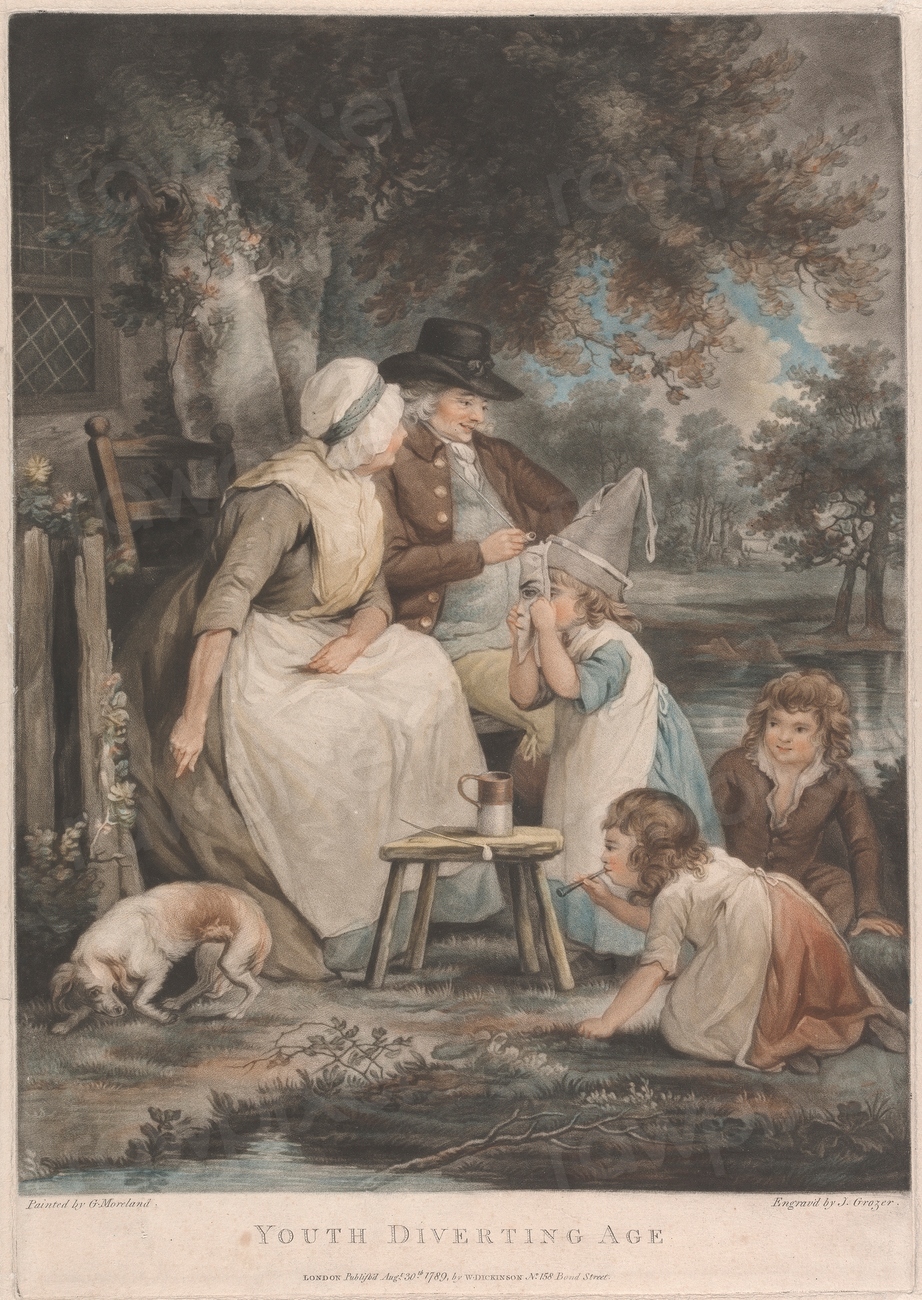
Youth Diverting Age“/ CC0 1.0

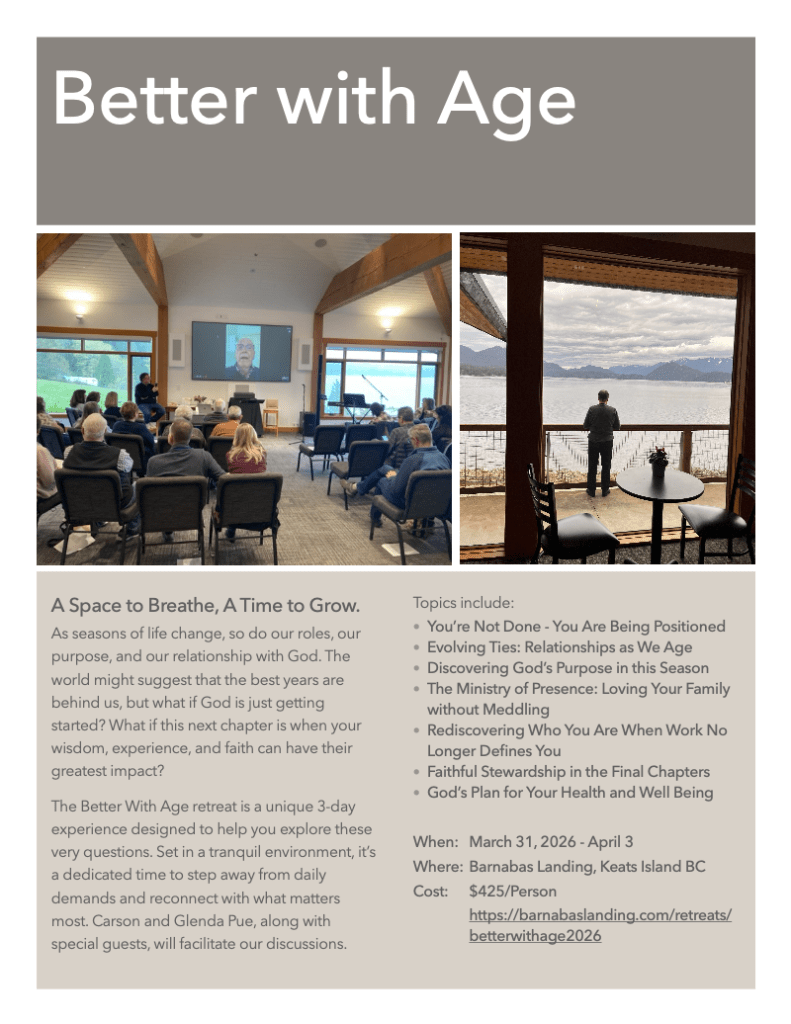
A significant number of people belonging to the Baby Boomer generation are individuals of Christian faith seeking a safe space to understand and navigate the challenges and joys of aging. As we age, we experience various transitions – from changes in our health, family dynamics to shifts in our life’s purpose. It’s an inevitable part of life that can feel overwhelming at times. However, there’s solace to be found in shared experiences and mutual understanding. One such sanctuary is the Better with Age retreat offered by Barnabas Landing.

Understanding The Shifts

As we grow older, numerous transitions come into play. We find ourselves transitioning into the ’empty nest’ phase as our children grow up and start families of their own. This shift can bring about both a sense of pride in our children’s independence and a feeling of loss as the home becomes quieter.

Health changes are another common aspect of aging. Our bodies, after years of service, begin to demand more care and attention. Adjusting to these changes can be daunting, but it’s not a journey one has to undertake alone.

Re-evaluating life’s purpose and values also becomes crucial as career and family-raising move into the rearview mirror. The question of ‘what now?’ often arises, leading to introspection and, sometimes, reinvention.

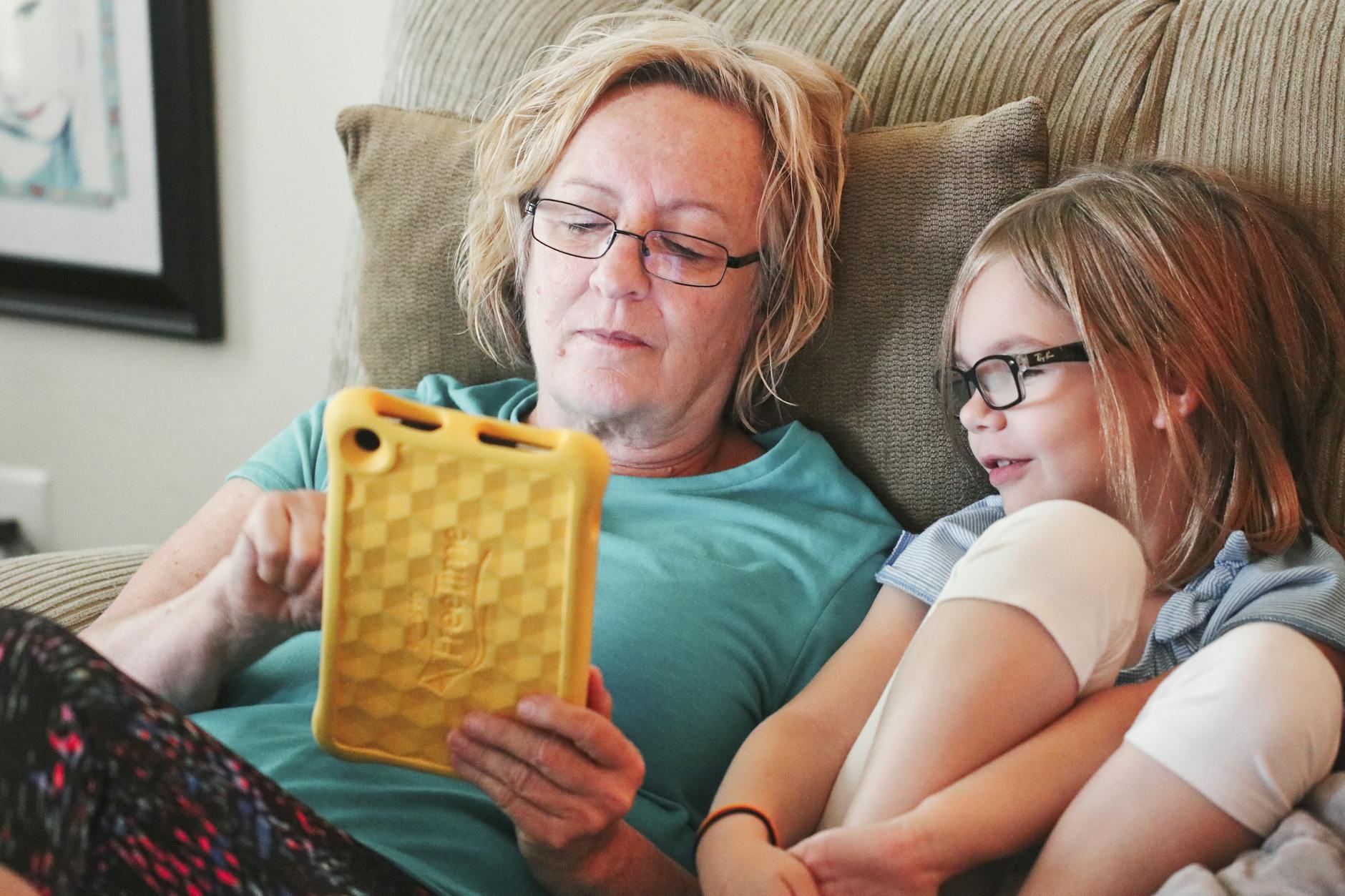
Photo by Michael Morse on Pexels.com

A Safe Haven at Barnabas Landing

The Better with Age retreat at Barnabas Landing is a haven for Baby Boomers navigating these transitions. The retreat will take place from April 8 – 11, 2024, and is led by Carson and Glenda Pue. Carson is an executive mentor, podcaster and author, and Glenda, with her vast experience working with children with special needs and their families, together offer a unique perspective on the challenges and joys of aging. Both lost their spouses and are remarried and navigating growing older together. They will be joined by Dr. Paul Pearce, a longtime friend and former director of the Centre for Healthy Aging and Transitions.

The retreat is all-inclusive and priced at $440 per person based on two sharing or $560 for single occupancy, and revolves around the theme of transition. You will come away feeling like you have had a mini-vacation with the exquisite meals at Barnabas, the comfortable rooms and the serenity of the view itself. It also offers workshops on topics such as losing a spouse, health changes, ageless connections, and aging with purpose.

Participants can join others in similar life stages to think, learn, and reflect together about how to live well and leave a lasting legacy through their words, actions, and faith. It’s an opportunity to share experiences, gain new insights, and find solace in the shared journey of aging.

The Final Word

Growing older does not have to be a solitary journey. Places like Barnabas Landing provide a safe space for Baby Boomers of faith to discuss, learn, and support each other through the transitions that come with aging, turning what might seem daunting into an enriching experience filled with growth and understanding.

For more information about the Better with Age retreat, visit Barnabas Landing or reach out to Evelyn at info@barnabaslanding.com.