It’s Time For Men to Break Out Of Their Shell and Make Room for Friendship

There’s a common stereotype that men don’t need friends, that they don’t have time for friendship, or that it isn’t an important part of their lives. This is a damaging narrative that needs to be corrected. The truth is that friendships are just as important for men as they are for women, and the benefits of having strong friendships far outweigh any excuses not to make time for them.

The Benefits of Friendship

Having strong friendships can provide numerous benefits such as increased mental health, improved self-esteem, greater emotional support, and even better physical health. People with strong friendships tend to live longer than those without, and those who actively maintain their social networks tend to enjoy more fulfilling lives overall. Furthermore, having strong relationships can help men become better leaders in their professional lives. Studies have shown that people who cultivate meaningful relationships with others are more likely to be successful in business and leadership roles.

Respecting the Depth of Friendship

When it comes to building real connections with other people, there needs to be a certain level of respect and trust in order for the relationship to flourish. Respect is essential because it encourages both parties involved to open up about themselves and share personal experiences without fear of judgement or ridicule. This kind of depth helps create an environment where individuals feel comfortable enough to talk openly about their challenges and successes with each other. It also allows them to build meaningful relationships over time by growing together through shared experiences—both good and bad—and learning from each other along the way.

Activities That Bring Friends Together

Making room for friendship doesn’t necessarily mean spending hours pouring your heart out on a park bench every day; it could simply mean carving out some quality time with friends on a regular basis for activities like playing video games or sports together; going out for drinks or dinner; watching movies; exploring new places; attending events or conferences; taking classes together; trying out new recipes at home; or just catching up over coffee or tea on weekends. These activities allow people to build lasting friendships while having fun at the same time!

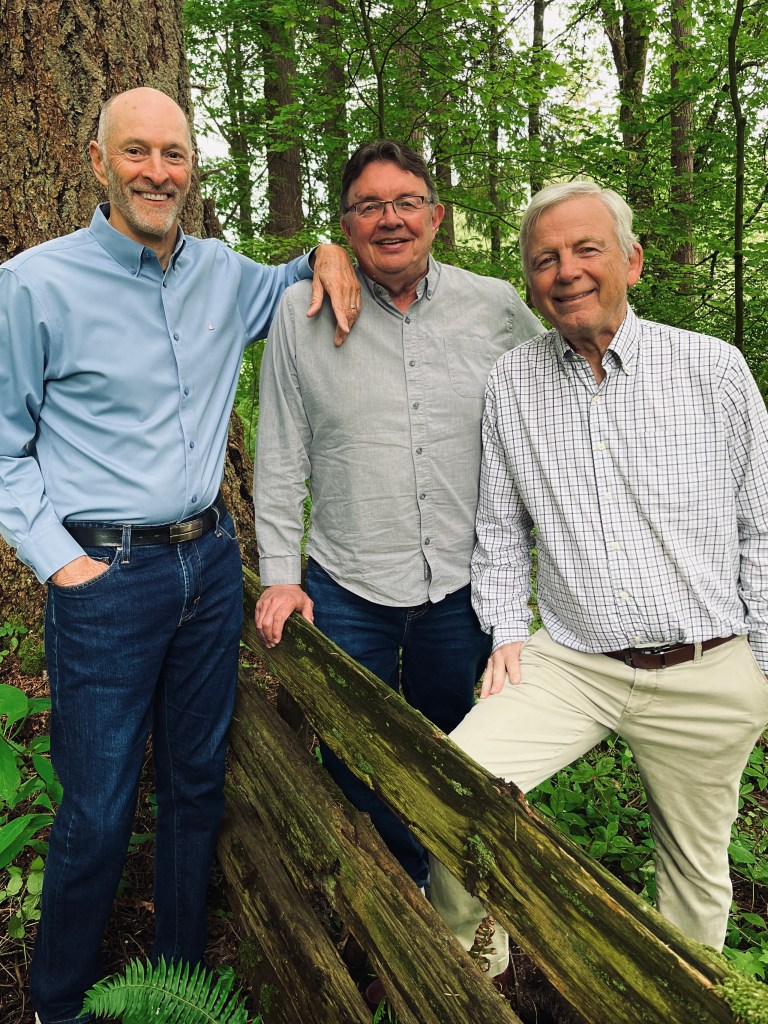
Earlier, an interview aired on the television show 100 Huntley Street about the friendship I share with Bob Kuhn and David Bentall. In it we talk about the mutual sharing of weakness as a foundation of authentic friendship. Take a look using the link below. (It starts at the 4:30 mark on the broadcast).

What is Keeping You?

Men should prioritize friendship in their lives and actively seek opportunities to engage with friends. Building meaningful connections with those around us is essential for mental, emotional, and physical health. Spending time with close friends can help us feel more connected, reduce stress, and boost our moods.

Additionally, it’s important to be mindful of our relationships with family members and show them the same attention as we do our closest friends. For the past three years, I have been calling my brothers each Sunday night just to stay in touch. I also phone my mother-in-law regularly to check in on how she is doing.

Making room in our lives for friendship is essential if we want true fulfillment. Not only do friendships offer countless benefits, but they also encourage us to grow into healthier versions of ourselves when we surround ourselves with people who genuinely care about us and vice versa. So go ahead, break out of your shell—it’s time you reap all the rewards friendship has waiting for you!

Aging Reflections: A Road Less Travelled

The photo above is one of the few roads on Keats Island and where our Better with Age retreat will be held. I love how the image draws you forward, but you do not know where it goes once you’re deeper into the forest. I do know that this road does come to a point where you have to make a decision to go right or go left.

It has been my lifelong commitment to inspire souls to lead, to find strength in their convictions, and to empower their steps with unwavering confidence. Now, as I reflect on the inevitability of my own aging, I recognize the need for those skills to adapt and endure. That is why I joined my dear friends, Dr. Paul Pearce and Dr. Paul Stevens, who taught a course at Regent College called “Aging Matters,” based on Stevens’s book. This is also why my wife Glenda, Paul and I are facilitating a retreat for Baby Boomers in partnership with Barnabas Landing called “Better with Age.”

Better with Age allows Baby Boomers to delve into matters of calling, spirituality, and legacy in retirement. In this environment, we want to be encouraged to continue to discern our purpose as we grow older and remain meaningfully engaged for the rest of our lives. We want you to better understand this season of life and reframe retirement as a time of continued calling and productivity. Better with Age points to biblical wisdom that can help us redefine aging as an extraordinarily fruitful season of life.

The Fork in the Road – Acceptance or Denial?

I found myself, much like you might have, standing at a metaphorical fork in the road. One path, worn by the countless footsteps of the courageous, is the thoroughfare of acceptance—a road where we acknowledge the reality of our age with clear eyes and a full heart. The other path is denial, coated with the veneer of youth—a tempting detour that leads one into a mirage, away from the weight of years and the truth they carry.

Choosing the road of aging is far from waving a white flag; it is an act of courage. It’s an uprising against the fear of irrelevance, a bold declaration that our sunset years can be as enriching as the dawn of our youth. Here, real love flourishes, the kind that endures beyond transitory feelings—a resilient garden blooming from the seed of commitment nourished by actions and deeds.

Guidance Through the Uncertainties of Aging

Allow me to impart some guidance drawn from years of whispering courage into the hearts of leaders, many of whom struggle in the twilight of their careers:

  1. Acknowledge Change: Recognize the transformation in your body and mind as a natural progression of life, not as an enemy to be contested but as a companion on your journey. This acceptance paves the way for peace and prepares the arena for untapped growth.
  2. Invest in Healthy Living: We must learn and practice skills to maintain vitality. Prioritize wellness, engage in activities that nourish your body, and cultivate habits that anchor your mental health. Remember, well-being is a discipline, not a mere stroke of luck.
  3. Cultivate Lasting Bonds: True affection stems from the roots of shared experiences and weathered storms. Commit to your relationships, be they professional or personal, and watch as affection deepens into a resilient bond that time can only strengthen, not wither.
  4. Legacy of Leadership: Aging as a leader bestows upon you the rare opportunity to reflect not only on successes but also on the wisdom harvested from trials. Pass down this legacy. Mentor the young, ignite purpose in their endeavours, and gift them with a compass that points toward integrity and authentic living.
  5. The Virtue of Adaptability: In a world that glorifies perpetual youth, be the voice that champions adaptability. Model how one can simultaneously honour the past and gracefully evolve to adopt new perspectives, skills, and roles.

Forks and Roads – A Personal Anecdote

Like you, I, too, encountered this fork. I was living the “Life of Carson,” as my doctor once told me, and on the road of denial, thinking I could do everything I have always been able to do. Well, that is not true anymore. Now I chose the road of aging—the less-travelled road, and I am learning about new things and seeing how God still has purpose for us as we age. I accepted the graying of my hair as a crown of wisdom, and although my family DNA does not seem to flood my top with grey, I do see more than I did last year. The new lines on my face are etchings of both joy and sorrow, borne with equal grace.

What changed my perspective? In 2022, I spent three weeks in a hospital ICU. I was having a multitude of tests done on my heart due to an incident. That experience caused me to face, with some evidence, that I was getting older. To be honest, I fought it, but in quiet moments, while resting in my hospital bed, I realized I was entering what I now call the third period of the hockey game and with no promise of overtime. I came out of the hospital with an ICD, and a different lifestyle. This choice to accept my getting older has not been without its struggle, but it has been illuminated with an authenticity that actually makes life even better.

What road are you on? Pause. Reflect. Then, stride forward, knowing that you do not walk it alone. We all are learning lessons. My insights and yours are like lanterns left to light the way for others. May they guide you to lead with conviction as you inherit the mantle of your twilight sage.

In closing, remember readers, the roads we select will wind and weave differently for each of us, but the horizon is shared—the dusk of our days. As the Scriptures share, we do not number our days, but we can choose how we will live them. Aging is neither the end of the road nor the cessation of influence; it is a continuance, a testament to the lives we’ve moulded, the leadership we’ve inspired, and the legacy we leave behind.

Lead on, not despite your years, but because of them.

Realities of Getting Older: What No One Told Us

Remember when we thought growing older was all about retirement and finding the perfect pair of reading glasses? Well, it turns out there’s a bit more to it than that. Let me reflect on some of the surprising realities of aging that our younger selves may not have anticipated. Aging is a natural process that everyone goes through, but it can pose significant surprises. Let me share some of my observations.

Changing Life Perspectives

As we age, our perspectives can change. This concerns me, as I hope it does not see me starting to like country music I have avoided my entire life. But, coming back to the point, I was wanting to say that things that once seemed monumental now seem insignificant, and vice versa. It’s as if we’ve been given a pair of new spectacles or a new vantage point that allows us to see what truly matters in life. And let me tell you, it’s not the latest electric car or the size of our houses. It is actually all about relationships with family, friends, our faith community, our peers.

It is important for us to build into our lives a time to get perspective on this whole aging season. To stop, to study, to talk about getting older. Let’s be good mentors and pass along to those following behind us what we are experiencing as we age.

Physical Challenges

Photo by Pixabay on Pexels.com

Let’s face it: with age comes an assortment of physical challenges we never signed up for. The knees get sore, and the back isn’t as forgiving as it used to be; we can’t run fast – or perhaps can’t even run. We also end up taking medications we never even thought of when we were younger. I smile when out with my friend Bob, and our watch alarms go off at the same time, reminding us to take our pills. Our laughter over this allows us to at least keep a sense of humour about it all.

New Mental Wellness Battles

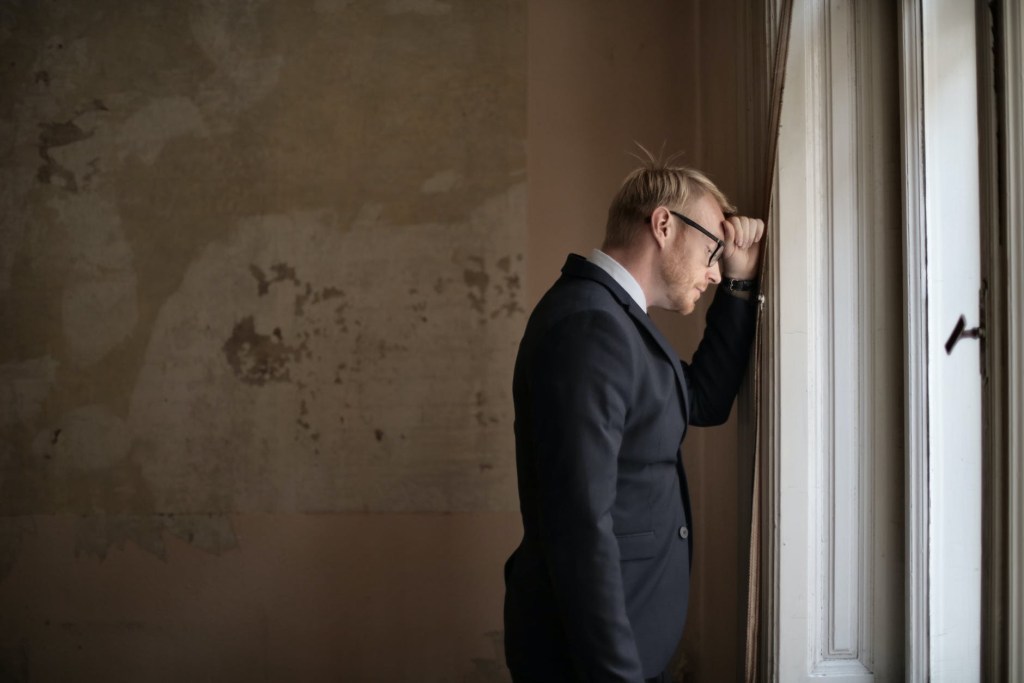
As we age, we often face significant life changes that can impact our mental health. These can include retirement, the death of loved ones, increased isolation, and physical health issues.

Retirement, for instance, can lead to a loss of identity and purpose, especially for those who found significant meaning in their careers. The death of friends and family members can bring on grief and loneliness, while physical health problems can cause stress and sometimes depression.

Furthermore, older adults may also experience cognitive decline, which can lead to confusion, frustration, and anxiety. In some cases, it can even result in dementia or Alzheimer’s disease.

Growing older can feel like stepping into unknown territory without a map. We grapple with questions that would’ve boggled our younger minds. Our older minds do not seem to work as quickly as they once did, and you notice changes in your memory or recall. There is much more mystery than we considered. But here’s a secret – it’s okay not to have all the answers. There’s a certain beauty in the mystery, and each question we ponder brings us a step closer to understanding God and ourselves better.

Existential Questions

With the passing of time, we become more aware of our mortality. We are all going to die. This awareness often leads us to ponder the bigger questions of life. What is our purpose? How do we want to be remembered? What will be said at our funeral? How shall we live our remaining days? While these questions may seem daunting, they also offer an opportunity to reflect on our lives and to remember there is still time to make meaningful changes.

Spiritual Insights

Our spirituality deepens and widens as we age. We may discover new insights from scripture we didn’t see before because they now resonate with our experience and life stage. Often, we are drawn to the solitude of familiar rituals of our faith, like quiet prayer and Bible reading. Embrace and savour these moments as they can serve as guideposts and guardrails on your aging journey, providing direction and inspiration every step of the way.

Growing older is an adventure filled with unexpected twists, turns and surprising revelations. The Baby Boomer demographics show there are so many of us out there in this particular stage of the journey. I refer to it as the third period of the hockey game, and if you are not into hockey, that means it is the last period of play with no promise of overtime. There is empirical evidence showing that those who think positively about aging often live longer, healthier lives. So, let’s do all that we can to embrace the surprises of aging with a cheerful heart and a hopeful spirit.

Better With Age

Barnabas Landing, Keats Island, BC

Remember that we’re not just growing older. We’re growing wiser, more compassionate, and more resilient. Each day is another opportunity to learn, to love, and to leave a mark on the world. So, let’s cherish each moment, each memory, and yes, even each pill! After all, we’re like fine wine, getting better with age.

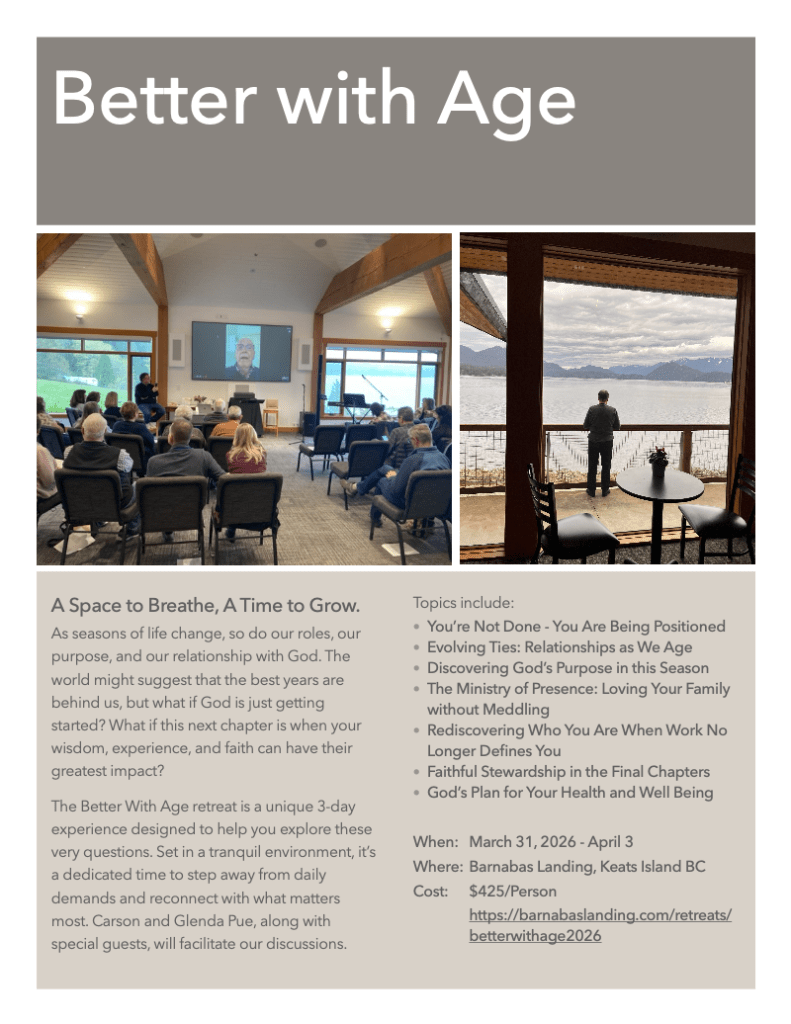
This is why we named our April retreat for Baby Boomers “Better With Age.” Please consider coming to join Glenda and me at beautiful Barnabas Landing, where we can talk about these and other common themes of aging. It will be three nights in exquisite lodging, chef-prepared meals and a sense of community and laughter that will live on long after the retreat.

You will find all the details here at Barnabas Landing. Hope to see you there.

“Disappointment with Work” by Tim Stafford

Glenda and I are working with Barnabas Landing to host an annual retreat called “Better with Age.” As you can guess it’s being focussed on those of us over 55 years of age and facing the transition zone into the third period of life.

This has led us to read a great deal on the subject of aging and the issues that surface because of our getting older. These reflections by Tim I know will resonate with many.

Our next Better with Age retreat will be held April 8-11, 2024.

Happy Implantversary to me! 🎉🤩❤️

Today marks one year since I got my Imbedded Cardiac Defibrillator (ICD) surgically implanted in my chest. It might sound scary, and it was – but in hindsight, I am so grateful!

An Imbedded Cardiac Defibrillator (ICD) is the size of a large men’s watch. My particular model also has a pacemaker function that can be turned on if needed. Like a wee guardian angel for your heart it’s always watching out for any sudden, life-threatening problems with your heart rhythm and can shock it back to normal if needed.

For a five week period following the surgery I suffered from muscle spasms and incredible pain that frightened me and made me wonder what was happening. Finally it was discovered that one of the wires to my heart was not working, and in fact had become disconnected. So back into surgery I went. The wire was skillfully reattached and everything following was remarkably different. I felt great. No spasms or pain and it healed up quickly leading into what is now a full year of us getting used to one another.

My year with an Imbedded Cardiac Defibrillator has taught me a lot about life, heart health and how important it is to take care of myself. And while I’m still learning how to live with this new device in my chest, I am grateful for all that it has done for me to usher in a new season in my life journey. A season of slowing down and destressing. A season of love and marriage, deepening faith, new creativity in writing, and of enjoying being Grandpa to seven amazing humans.

One grandson told me I am now a cyborg.

There is a psychological affect to having a device put into your body. For some people, having an electronic device potentially controlling your life can be daunting or even creepy. It was odd for me at first, but it’s now incredibly peaceful. I feel as though this little device has given me life back and a constant reminder to steward it well.

So today I celebrate. Here’s to one year and hopefully many more with my ICD!


*This blog post is dedicated to all who have Imbedded Cardiac Defibrillators and are living life on purpose. Remember, you are strong, and can choose to live life by choice, not chance. Be intentional. ❤️ *

Grieving and the Holidays: Canadian Thanksgiving


fullsizeoutput_89de

There are certain days for those who grieve that act like emotional land mines.

Thanksgiving is one such time for me. During this holiday, my emotions feel more intense than, on what I might call, normal days on the grief journey.

Thanksgiving was always a big family time growing up, and in our marriage. I have lovely memories of the joy Brenda had decorating the house for the season, and preparing for “her babies” to arrive for the big family dinner. This year, Thanksgiving converges with our wedding anniversary. This amplifies my emotions evoking moments of loneliness, sadness, despair and even anger.

The grief group I attended after Brenda’s death helped reiterate that all of these feelings are normal, though I would add, not pleasant. They taught that feelings are part of the process of grief and that we are to accept our feelings, whatever they may be, and not deny them or push them away. They also shared the importance of preparing before special days like holidays, anniversaries and birthdays. It is because we are used to associating the holidays with good times and our loved ones, so we will miss them all the more at these moments of the year.
Those of us on the grief journey must contemplate in advance what we are going to do, and who we are going to be with on these special days.

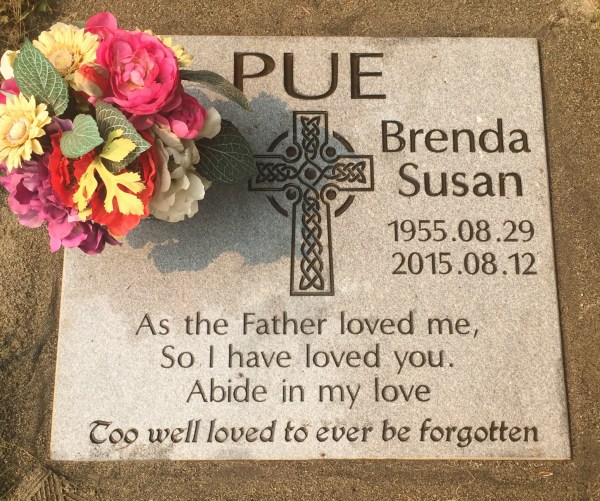
Brenda's MarkerSo, I have done some preparing. I have planned to spend quiet time at the cemetery giving thanks for our marriage and the incredible seasons of life that we lived together. I truly do thank God for those years and the memories. Brenda used to teach leaders “memories never depreciate and are worth investing in.” So true in my life right now.

There are other things such as having time to read my Bible, seeking both strength and comfort from the words found there. I attended a hockey game early in the morning to watch my eldest grandson play and receive the MVP trophy. Any time with my grandchildren always helps. Today, I went to church with Jeremy and Shari and Mac, Ellie and Georgia. In the afternoon I have arranged for gardening and supper with life friends who will surround me with love.

Then, on the holiday Monday, my family, all thirteen of us, will gather around the dining room as my “daughters” Kristin, Shari and Kirstie excitedly prepare and serve our traditional turkey feast. This gathering will provide time to identify where we are on our grief journey and express thanks for “Mom” and other things in our lives. As I mentioned, this would have been our 41st wedding anniversary. So, I am thankful that I will not be alone, but surrounded by those closest to me.

If you are grieving a loss, it is easy for these “special days” to sneak up on you, so be careful. You cannot eliminate the feelings, but you can prepare for them. I’ve been told that no matter how long it has been, you still carry a portion of your grief with you. That portion will be with you for the rest of your life. Emotions, you thought you had already dealt with, will come flooding back at unexpected times, but on these special days, you can anticipate. I’ve already begun to think and plan for Christmas.

When I am discouraged, or at a low point relating to my loss, the only real remedy is to look to the Father. God truly is the source of all healing and I am making the decision to remain close to Him despite my emotions. This morning the words written by the psalmist in Psalm 42:6 reminded me of this, “My soul is downcast within me; therefore, I will remember you.” So, even though I feel struck by grief once again, I am choosing to depend on God and I will praise Him and give thanks. For “though I am struck down, I am not destroyed.”

In Brenda’s journal entries, she often wrote what she was thankful for even as she faced death. I read this today and her list made me smile:

• God’s heartbeat in my life.
• The gifts of prayer and scripture.
• My loving family.
• Encouraging friends.
• A roaring appetite.
• Pretty good energy.
• The hope of Christmas, now just weeks away.
• So much love and goodwill at every turn.
• Hope.
• Laughter.

What are you thankful for today?

TRANSITIONS: Exploring life changes as maturing adults

I am pleased to announce I will be speaking with my good friend Dr. Paul Pearce at a special “Adult Get Away Retreat” at Barnabas on Keats Island April 15-17. The setting is spectacular. A quiet spot on Keats Island overlooking Howe Sound with comfortable and spacious rooms, delicious meals and warm hospitality.

This weekend is open to all adults—married or single. It is a spiritual retreat that includes relaxation, meeting new people and fun.

This faith-focused weekend will give you rest and renew your soul.

Our theme this weekend is  TRANSITIONS: Exploring life changes as maturing adults and it is a particular  Having just gone through, and still going through a huge transition in my life after the death of my wife Brenda the whole topic of transitioning in life is both relevant and meaningful to me.

Canadians approaching retirement are now the fastest growing demographic in the country. The sharp increase can be attributed to the aging “baby boom” generation, who account for almost one-third of the nation’s population.

“Transition is a great deal more than change…It’s a growing and a maturing and wisdom gaining process…It’s an opportunity to renew our dreams and refresh our calling. (Max De Pree).”

Everyone copes with aging differently. For many the so-called “golden years” are “years of adjustments” as we deal with changes such as winding down our careers, moving, becoming a caregiver, adjusting to a fixed income and other such consequences of aging. Some changes are expected and easy to cope with. Others can shock one’s sense of stability such as an unexpected decline in health, finding meaning and purpose after a career, or the loss of a loved one.

This weekend is for those who are approaching or already into the change of a new season in life (55+/-). Together we will explore how to embrace times of change and to better understand biblical teaching as we become, “mature and complete, not lacking anything” (James 1:4). There will be practical helps in learning how to face and deal with life decisions differently as well as learning from one another so we might change and adjust to find new life and growth in our spiritual journey.

I cannot express how meaningful it is to talk about upcoming life transitions in advance of being thrust into the situation. I want to invite friends and friends of friends to come join with us for this relaxing yet meaningful weekend.

Specifically Paul and I will be engaging you on the following topics, all in the beautiful setting of Barnabas, one of my favourite places on the planet.

Areas related to Transitions

  1. Spirituality
  2. Wellness
  3. Personal Equity – what you bring to this time of life.
  4. Social
  5. Vocational – what am I going to do?

Cost:

$215 (per person) shared accommodation
Fees include program costs, six meals, two nights accommodation, transportation and all taxes

Contact Barnabas directly to register or for further information. Need Assistance?
Call Evelyn: 1 (604) 886-2220